
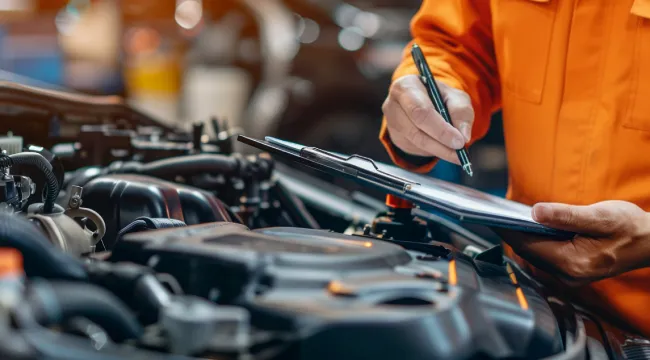
Regular servicing and early repairs can help prevent the most common car part failures faced by South African drivers.
Image: Supplied
According to dotsure.co.za’s workshop specialist, Louis Stander, most major repairs don’t happen suddenly. “They develop quietly through small oversights; skipped services, incorrect oil, or warning lights that are ignored.” As vehicles age, certain components are more prone to failure due to heat, pressure and constant friction.
Workshop data shows the highest-risk areas include:
Understanding the importance of regular car servicing, recognising early warning signs of component failure, avoiding common car maintenance mistakes, as well as having a car warranty plan in place, can make the difference between routine upkeep and a repair bill that runs into tens of thousands of rands.
One of the biggest mistakes when it comes to car maintenance is not following the manufacturer’s service schedule. Many drivers:
Over time, lubricants lose viscosity and cooling systems lose efficiency, increasing friction and accelerating wear. This is why the importance of regular car servicing cannot be overstated.
Among the most expensive common engine-related issues is uneven oil distribution caused by a worn oil pump. Left unchecked, this leads to premature internal damage. Another major risk is overheating.
The most common causes of overheating in vehicles include:
Generally, automatic gearboxes contain more moving parts, operate under hydraulic pressure, and rely on electronic controls, increasing the number of potential failure points. Their complexity and electronic components make repairs significantly more costly than manual gearboxes.
The electrical components that fail most often include:
Because these components communicate with multiple systems, one failure can trigger several related faults, and some replacements can cost up to R50,000.
Image: Supplied
“Most failures give warning signs: new noises, persistent warning lights, changes in braking or steering feel, overheating or power loss.”, says Stander. This means sudden breakdowns are avoidable. Preventative habits make the biggest difference:
Proactive maintenance costs far less than reactive repairs. However, should disaster strike, getting back on the road is easy with dotsure.co.za’s extended warranty, with claim settlements paid directly to you.
Ts & Cs and possible exclusions may apply and can be obtained by emailing [email protected]. Claim payouts subject to submission of a valid claim. Dotsure Limited (Registration number 2006/000723/06) is a licensed non-life insurer and authorised financial services provider (FSP39925).