

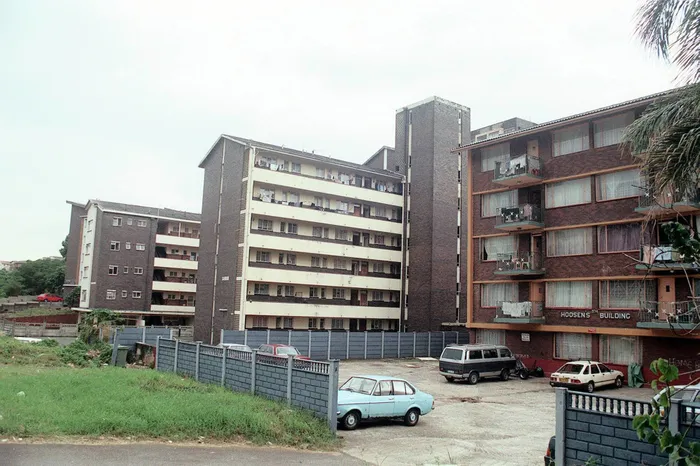
The relationship between landlords and tenants can turn sour, and when it does, the Housing Rental Tribunal is the body to turn to to resolve any disputes fairly. Picture: Deena Pillay
It’s a case that will tug at anyone’s heartstrings: an underhanded landlord tries to evict an elderly widow and her family from the home she’d lived in for 51 years. As if that’s not enough, the same person then tries devious eviction methods with another family, from another of his properties in Salt River, Cape Town, and comes up short at the Rental Tribunal.
It’s a victory for the common man and a warning to landlords that if they want to evict tenants, they need to do so legally - and fairly.
GroundUp reports that the first family, 81-year-old Zubeida Hendricks, her son, his wife and two children, had lived on Goldsmith Street in the suburb for decades, but in January 2017, the landlord told her he wanted to maintain the property so she needed to vacate within a month. If she refused, she’d be evicted without notice - and at her cost.
In the second matter, the landlord tried to evict another vulnerable family: pensioners Omar and Faieza Salie had been living in a house on the same street as Hendricks for 36 years. Combined, the Salies’ pension amounts to R3600 a month.
They had never signed a rental agreement, but their rental increases were set at 10% annually for decades.
In 2015, however, the landlord hiked it by a whopping 25% and in January last year by a further 36% - after the regular annual 10% increase three months earlier.
They refused to pay this, so the landlord served a notice on them to vacate the property.
Both families were represented by the Ndifuna Ukwazi Law Centre, which took the landlord to the Western Cape Rental Housing Tribunal (RHT), where in the Hendricks matter he admitted that he was in fact trying to sell the property, hence the eviction attempt.
The tribunal ruled that the landlord’s notice constituted an unfair practice: there was no reference to any breach of the lease agreement, nor was he upfront about why the tenants needed to vacate.
In the Salie matter, the tribunal found that their rental increases were exorbitant - noting the state of disrepair and the lack of maintenance of the property - and unreasonable, since they were above the market average for the neighbourhood.
GroundUp notes that three similar cases from Salt River are expected to be ruled on by the tribunal in March.
The NGO has reported extensively about rampant gentrification in Woodstock and Salt River, where housing has become unaffordable for the original working-class residents.
Many are being pushed out to make way for upmarket shopping centres and housing developments. And rentals have rocketed, with ambitiously priced properties now on a par with upmarket areas in Cape Town’s Southern Suburbs.
The good news is that tenants certainly do have rights and the tribunal is likely to take a dim view of such bullying by a landlord.
While both parties have rights and responsibilities, landlords and their agents cannot resort to illegal methods to drive out tenants.