

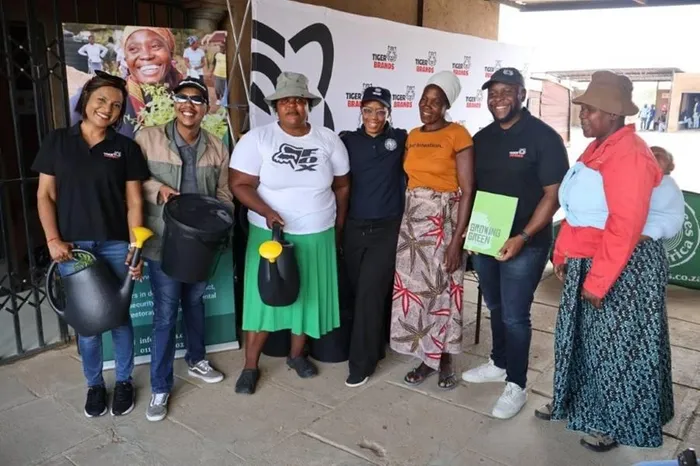
Sylvia Mokete, Food Gardens Administrator in the centre, pictured with Tiger Brands and other representatives.
Image: Supplied
More than 50 families in the semi-rural community of Winterveld, northwest of Tshwane, are now establishing home-based vegetable gardens to boost their nutrition, following the distribution of Garden-in-a-Bucket kits and food hampers at the community’s faith-based support centre, Lehaheng La Adullame.
The kits, provided through the Garden-in-a-Bucket initiative managed by Tiger Brands' Food & Trees for Africa (FTFA), contain vegetable seedlings, essential hand tools, a watering can, and FTFA’s Growing Green manual. Recipient families also received on-site training from FTFA facilitators to build their gardening skills and confidence.
The programme is part of a broader effort to equip marginalised communities with practical tools and knowledge to strengthen food security and foster long-term community development.a
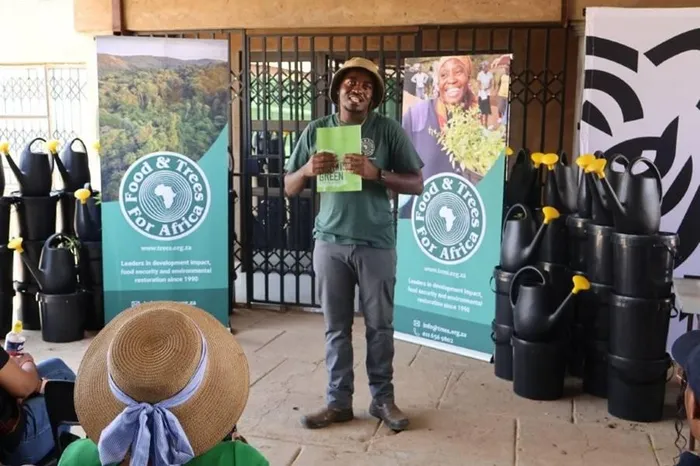
Msizi Hlongwane, North West trainer and facilitator.
Image: Supplied
Lehaheng La Adullame supports over 100 individuals from surrounding areas, offering assistance with health and wellbeing, as well as skills development programmes including gardening and trade skills such as welding. The centre plays a key role in a community grappling with high levels of unemployment, poverty, and food insecurity.
The initiative builds on a food garden established at the centre at the end of 2025, which continues to contribute to residents’ daily nutrition needs. Additional support, including gas burners and gas bottles, has also reduced reliance on open-fire cooking.
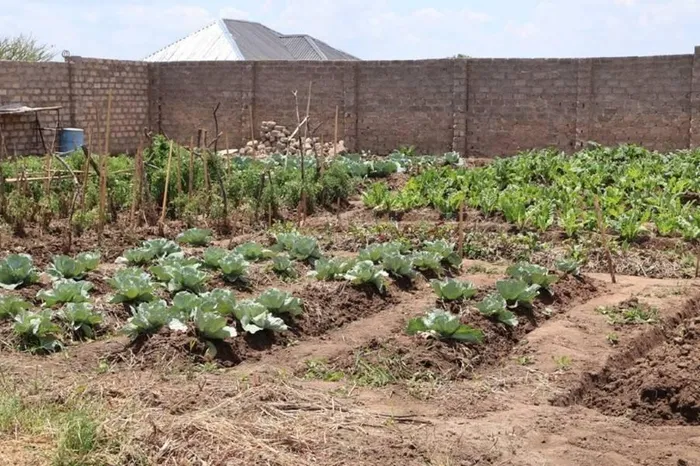
Vegetable seedlings, tools, and practical training empower Winterveld families to grow food at home.
Image: Supplied
Over the coming weeks, residents will mentor participating families, offering guidance to ensure the gardens produce nutritious food for households and promote lasting food security.
Preeya Naidu, Senior Manager: Socioeconomic Development at Tiger Brands, which supports the initiative, said: “We believe real impact comes from cultivating self-sufficiency and self-reliance within communities. By sharing skills, knowledge and practical tools to grow food, families can support their own nutrition needs well into the future, without remaining dependent on short-term relief.”