

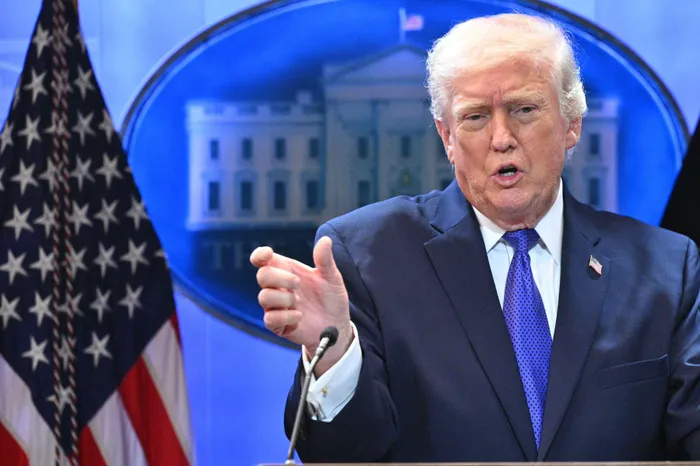
The US probe into 60 economies, including South Africa, has been described as President Donald Trump's strategy to bring manufacturing back to the US.
Image: Mandel Ngan / AFP
As tensions continue to simmer between South Africa and the United States, the US has expanded its investigation into the country's trade policies, scrutinising whether they are harming American interests.
Launched by the Office of the United States Trade Representative (USTR), the inquiry encompasses 60 economies, and could lead to significant repercussions for South Africa, including potential tariffs and trade restrictions. With the US accusing South Africa of implementing discriminatory practices under B-BBEE, the outcome of this investigation could have far-reaching implications for the economic relationship between the two nations. As reportedby IOL.
Two way trade was worth around $16.5 billion in 2025, according to the Office of the USTR. The UN puts South African exports to the US at about $8.75 billion in 2025.
America is the second-largest export market for South Africa.
The probe could become an important issue in the broader economic relationship between Washington and Pretoria, particularly as the US reviews trade policies and supply chain practices across the global economy.
The investigations fall under Section 301 of the Trade Act of 1974, a key enforcement tool that allows Washington to investigate foreign government actions it considers “unreasonable or discriminatory” and that “burden or restrict US commerce”.
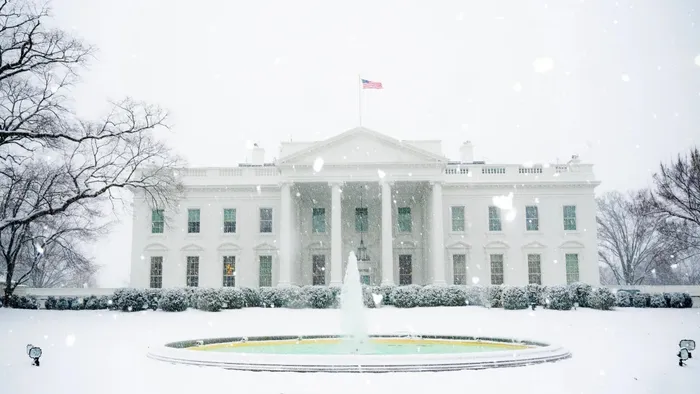
The White House
Image: White House
Section 301 is one of the most powerful tools available to US trade authorities and has previously been used to impose tariffs on foreign goods, including during the United States’ trade dispute with China.
If the investigation finds that the policies or practices under review harm US commerce, Washington could ultimately impose retaliatory measures such as tariffs, quotas or other trade restrictions.
According to the USTR, the probes will examine whether governments have taken sufficient steps to prevent the importation of goods produced with forced labour.
“The United States will no longer sacrifice its industrial base to other countries that may be exporting their problems with excess capacity and production to us.
"Today’s investigations underscore President Trump’s commitment to reshore critical supply chains and create good-paying jobs for American workers across our manufacturing sectors,” US Trade Representative Jamieson Greer said.
Countries included in the probe range from major US trading partners such as the EU, Japan and India to emerging markets and developing economies.
The Trump Administration’s reindustrialisation efforts continue to face significant challenges due to foreign economies’ structural excess capacity and production in manufacturing sectors, the USTR press release announcing the probe states.
“Across numerous sectors, many US trading partners are producing more goods than they can consume domestically.
"This overproduction displaces existing US domestic production or prevents investment and expansion in US manufacturing production that otherwise would have been brought online,” said Greer.
Washington argues that, in many sectors, the US has lost substantial domestic production capacity or has fallen worryingly behind foreign competitors.
The process will include public consultations and hearings before any final decision is taken.
Under the Section 301 process, governments targeted by the investigation will have an opportunity to provide evidence and respond before Washington decides whether to impose trade remedies.
There does not appear to be a statement on this issue from the South African government.
SATURDAY STAR