

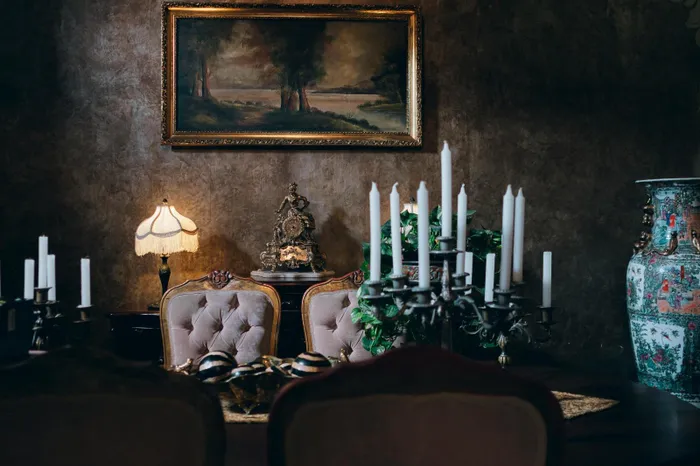
An eclectic dining room layered with antique pieces and contemporary art
After years of sleek minimalism, dining rooms are embracing a softer, more personal look, where antique pieces and modern design come together to create spaces rich in character.
Rather than recreating a traditional dining room from another era, today’s approach is all about balance. A beautifully worn wooden table might sit beneath a sculptural contemporary piece. Antique chairs might be paired with a modern table, or a vintage sideboard might anchor an otherwise minimalist space. The charm lies in the distinctions.
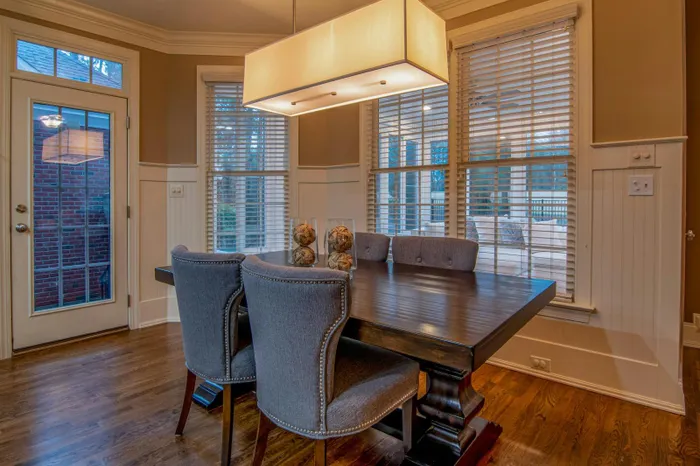
A vintage dining table grounds the room, bringing warmth and history into a contemporary setting
Vintage furniture brings something that brand-new pieces often struggle to replicate: character. The soft patina of aged timber, the weight of unique craftsmanship, the small imperfections that tell a story. In a modern dining room, these details add a certain warmth, preventing the space from feeling overly predictable.
One of the easiest ways to introduce vintage elements is through seating. For example, mismatched chairs instantly create a relaxed, collected feel. You might combine classic wooden dining chairs with a contemporary table, or mix upholstered vintage seats with lighter, more modern frames.
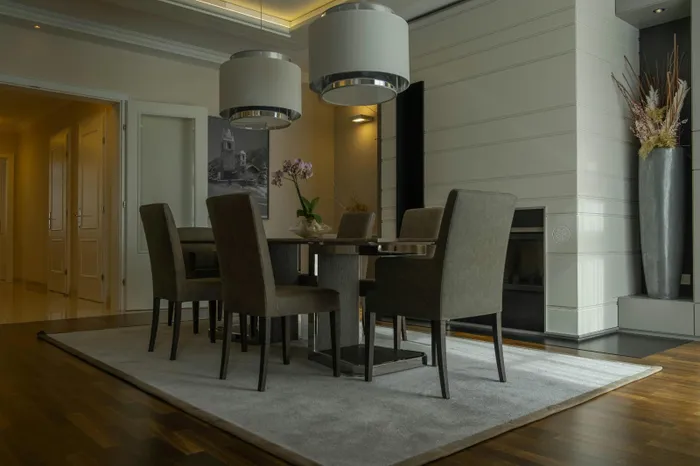
Modern and vintage interiors co-exist by bringing personality into dining areas
Sideboards and cabinets are another natural gateway. A vintage cabinet or antique sideboard offers both storage and visual interest, especially when styled with modern ceramics, sculptural objects or bold artwork. These pieces often become the silent champion of the room.
Lighting is where modern design can really shine. A cluster of lights above a vintage dining table creates an immediate conversation between these eras. It frames the table while adding a sense of freshness to the room.
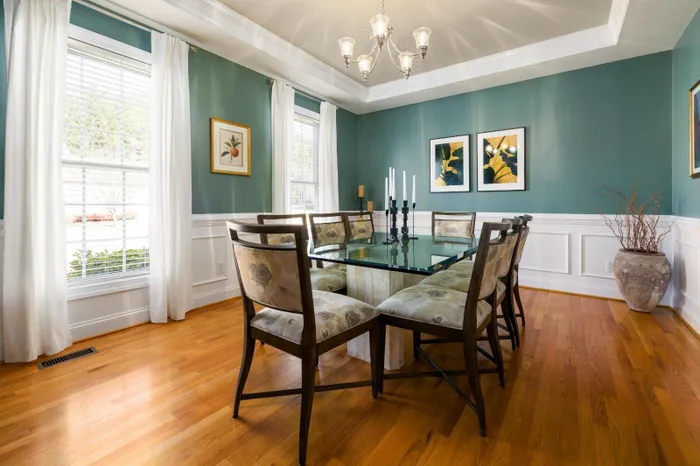
Bold wall colour reframes vintage furniture, turning heritage pieces into deep focal points
Colour can help tie everything together. Neutral walls allow vintage furniture to take centre stage, while earthy tones – think soft greens, warm browns or chalky creams – complement the natural textures of older wood. For those who prefer a bolder approach, a deep wall colour can transform antique furniture into a noticeable focal point.
What makes this blend of vintage and modern so appealing is the sense of personality it creates. Instead of a dining room that feels as though it came straight from a showroom, the space begins to feel collected over time.
And perhaps that’s the real beauty of the vintage dining room’s return. It reminds us that a dining space isn’t just about design, it’s about gathering, storytelling and creating a room that feels alive from the very first meal.
Credit
Images: Pexels