

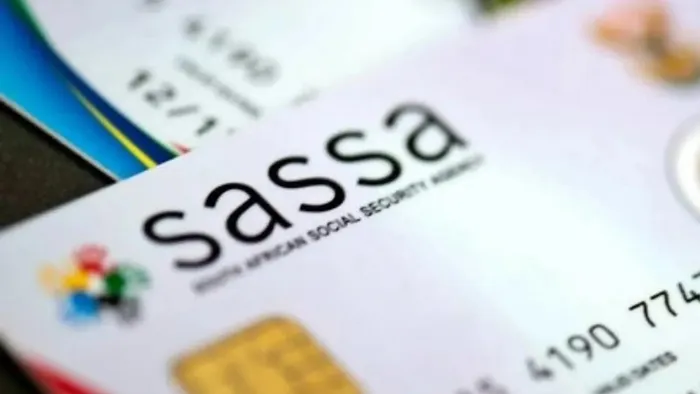
Portfolio Committee on Social Development Chairperson Bridget Masango has warned that while SASSA’s verification drive is saving R44 million per month by curbing fraud, it is also leaving some vulnerable beneficiaries without access to much-needed social grant payments.
Image: File / Sassa
The South African Social Security Agency (SASSA) has reported monthly savings of approximately R44 million following the rollout of stringent beneficiary verification measures introduced under conditions set by the National Treasury, but Parliament has raised concern over the unintended impact on vulnerable grant recipients.
This emerged during remarks by the Chairperson of the Portfolio Committee on Social Development, Bridget Masango, at the Social Services Cluster media briefing on Sunday, where she detailed progress and challenges in the country’s social protection system as reported by IOL.
The verification process includes biometric registration, bank account verification and life certification checks aimed at eliminating fraud, including so-called “ghost beneficiaries” and payments to ineligible recipients.
According to Masango, the interventions are already producing measurable financial gains.
“SASSA reported that these interventions resulted in savings of R44 million per month,” she said.
She further revealed that out of 420,000 social grant reviews undertaken, 243,275 had been completed, while about 169,049 grants were lapsed as part of efforts to clean up the system.
However, the committee warned that while the drive is yielding fiscal benefits, it is also creating hardship for legitimate beneficiaries who have been temporarily or permanently excluded during the verification process.
Masango cautioned that while the committee fully supports efforts to combat fraud, implementation must be handled with care.
“We welcome the National Treasury verifications 100%, but we caution about the hardship this might cause very, very deserving beneficiaries, because most of the people are older persons,” she said.
She added that even short interruptions in grant payments have severe consequences for households dependent on social assistance.
“One payment not being made just brings hassle to those families,” Masango said, stressing that the objective of eliminating fraud should not come at the expense of eligible recipients.
The verification programme forms part of broader fiscal oversight measures introduced by National Treasury to strengthen accountability and reduce leakages in the social grant system.
While the committee acknowledged the gains in reducing fraudulent payments, it has called for urgent intervention mechanisms to ensure that eligible beneficiaries are not incorrectly excluded during the review process.
IOL News