SA’s wastepreneurs awarded as eco-champions create jobs and do their part to save the planet
|Published
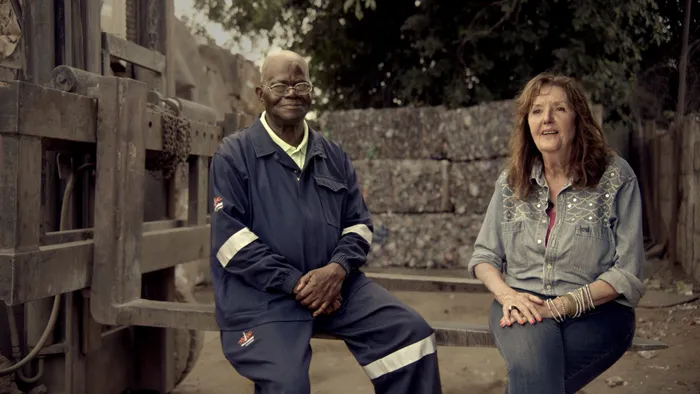
Thinavhuuo founder Willie Ramoshaba and Siyavuma Founder, Judy Henshall. Supplied image.
Johannesburg - Recycling might be a simple daily routine for many across the globe in a bid to do their part to save the planet.
But for many others, who have affectionately become known as"wastepreneurs“, it has also been a means of creating employment while cleaning up urban and rural landscapes, as well as playing a valuable role in diverting waste out of rapidly filling landfills and into the circular economy.
The efforts of these eco-champions were last month recognised and awarded by national recycling and sustainability body PET Recycling Company NPC (PETCO) during their annual general meeting.
The selected winners, which includes nine individuals and organisations, have also been captured in an online documentary series which was hosted by actress Lindiwe Dim and directed by acclaimed actor and film-maker, Louw Venter.
https://www.youtube.com/watch?v=vrIdQJk6wdMThe series, which is set to be aired in July, was produced by Pretty Neat, with creative direction by Livio Tronchin of Derrick Agency.
Here are the PETCO winners:
WINNER: Westworld Recycling from Gauteng
CATEGORY: Top Woman in Recycling
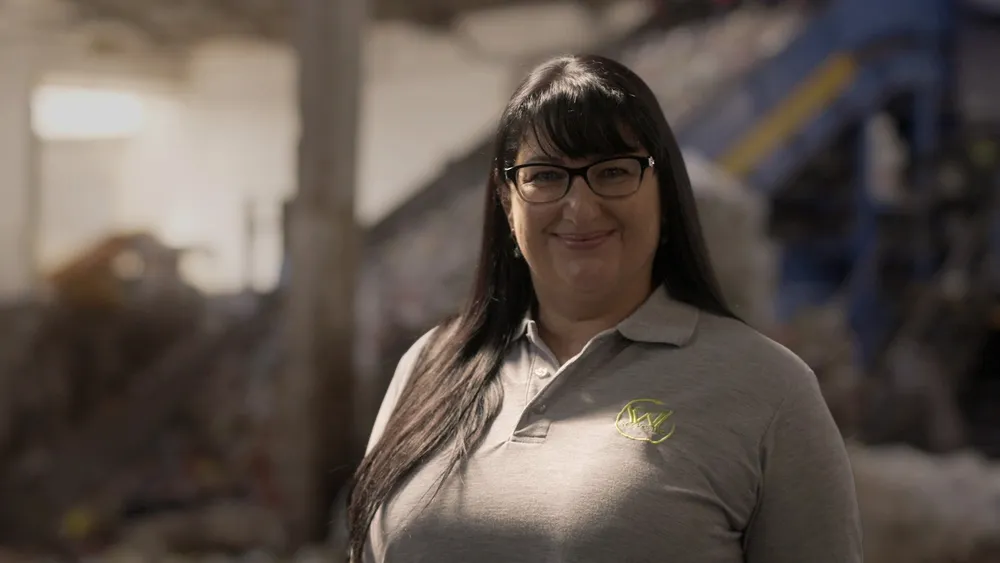
Westworld Recycling started operating in June 2020 in the middle of a recession as well as the Covid-19 pandemic. It was founded by Lisa Steenkamp who grew her business from a small recycling buy-back centre with a handful of employees to a fully-fledged centre with many more employees now collecting tonnes of PET and other materials monthly.
Not only is she focused on growing her business, but also assists “foot soldiers”, what she calls waste pickers, to improve their collections and their lives. Steenkamp readily distributes personal protective equipment, hosts holiday celebrations where food is handed out, and offers transport to collect pickers’ loads from various sites.
“I think being a woman, and I sometimes look at things a little bit differently than a man would,” Steenkamp said. “I like things to be organised and clean, so my workshop gets cleaned every day. In my opinion, behind every great woman is a better team.”
WINNER: PepsiCo from Gauteng
CATEGORY: Design for Circularity
PepsiCo Sub-Saharan Africa (SSA) committed to including rPET in all PET beverages within the PepsiCo business. The trials and process kicked off in 2021 and from October to December 2021 the business went commercial, with their 2L Pepsi Carbonated Soft Drinks (CSD) beverages including 20% Extrupet rPET.
Based on volumes produced within these months, a total of 79 tonnes of recycled material were used to produce the volume requirements for 2L Pepsi CSD.
“In our PepsiCo positive strategy, we understand that we're trying to catalyse growth. We understand that there's shared value to be achieved,” said Meghna Laxman MacDonald, Public Policy and Government Affairs Lead at PepsiCo South Africa. “Essentially what we've done is place sustainability and human capital at the centre of that. It's embedded in the strategy of the company, not something that's done on the side.”
WINNERS: Litter4tokens NPC from KwaDukuza, Etekweni, Hillcrest, Mpumalanga and Estcourt, and Umphakathi Recyclers from Gauteng.
CATEGORY: Best Community Recycling Initiative
The Litter4tokens and Trash4tokens campaign aims to instil pride and cleanliness in communities while also encouraging hard work, employment and education of the nation. The programme encourages people to collect bags of litter, which includes recyclables, as they can exchange them to get tokens to redeem at the token shop to feed their families.
Litter4tokens has already prevented more than 666 500 bags of ocean-bound litter from reaching the sea. It has also fed more than 133 000 people through the food token programme. More than 1 256 families benefit from the programme each month.
“For us, it’s about understanding that your waste has an alternative use,” said Litter for Tokens area manager Sue Benningfield. She added that trash doesn't have to go to landfill, be dumped or fill the environment. “What we can do as individuals is to remove as much as we can from our land. It's not a difficult thing.”
Meanwhile, Umphakathi Recyclers from Gauteng is a buy-back centre that purchases recyclables from the community. They even launched the Umphakathi Recyclers Burial Scheme after an elderly woman came to bring in her recyclables and broke down about not being able to afford a funeral for her son.
The programme enables community members to bring in recyclables in cumulative exchange for items that will provide their loved ones with a dignified burial. Founder, Smanga Mthembu rents out equipment including tents, tables, chairs, gas stoves, pots, mobile toilets, a mobile kitchen and plates. The initiative currently employs six people while the burial scheme covers 438 households.
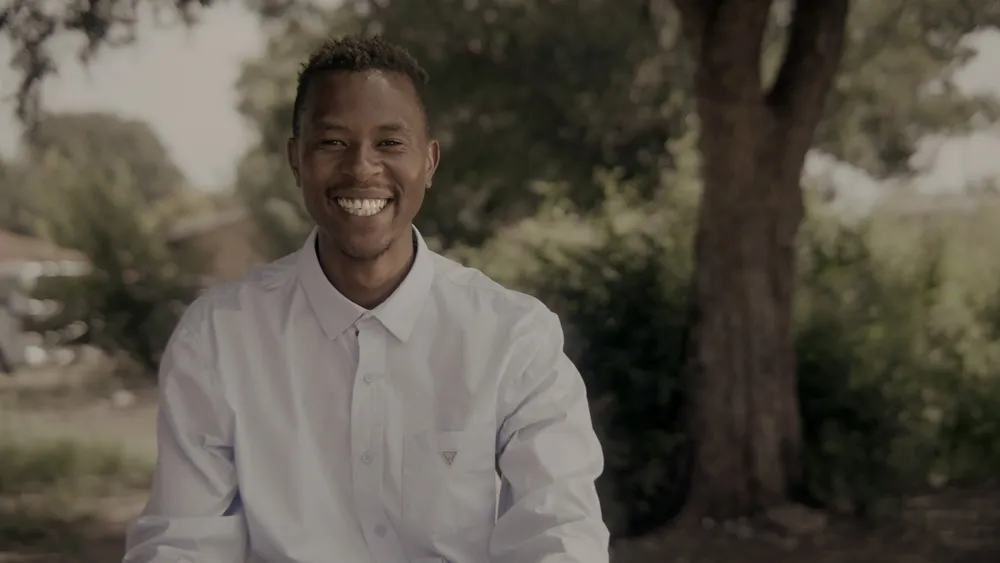
Mthembu believes waste only becomes trash when you throw it away. “Let's do something with your recyclables and let's save the environment, create jobs and the community prosper,” he said.
“Let the community benefit from recyclables and instead of me giving them money, I can help people without funeral cover.”
WINNER: Isphepho Enviro Ambassadors from Durban, KwaZulu-Natal
CATEGORY: Environmental Education and Awareness Initiative
Isphepho Enviro Ambassadors, which benefits 70 registered community collectors, 25 staff members who earn a salary and more than 60 families collecting recyclables, are determined to address the challenges of unemployment. They seek to do this through the provision of opportunities for youth development by making use of graduates and students in accelerating public participation, environmental awareness, recycling and research.
Among its offerings are a buy-back centre, door-to-door awareness campaigns, waste management services and awareness campaigns at around 20 schools. “We found out that in over 80% of the schools in our township in Umlazi, there is zero recycling taking place,” founder Londiwe Mbuyisa said.
Isphepho Enviro Ambassadors also conduct beach holiday, informal traders and businesses awareness, as well as facilitating and attending clean-up campaigns in various areas of Durban.
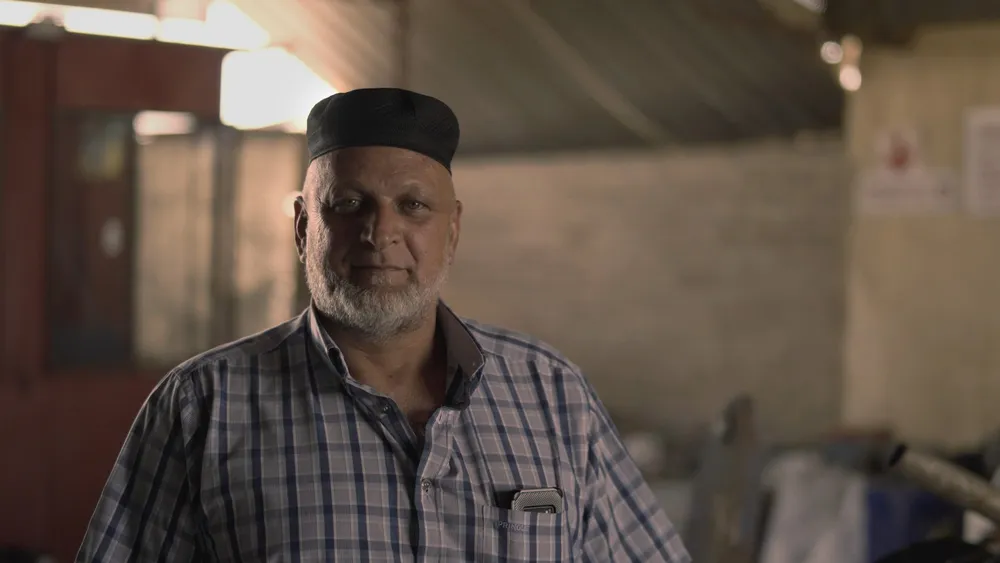
WINNER: Ahmed Scholtz, The Artell in the North West
CATEGORY: PET-repreneur
Ahmed Scholtz has a passion for recycling and waste management which led him to open The Artell, a buy-back centre, in 1987, which is the first of its kind in Mahikeng. The business aims to repurpose all waste materials that are recyclable and to provide collectors with market-related prices for waste materials in order to sustain and promote waste collection for recycling in Mahikeng.
Scholtz has not only taught his customers how to sort and collect, but he will travel collect the materials himself in instances where collectors cannot deliver.
Scholtz currently employs 15 people and has 1 200 customers on his database system. The Artell processes an average monthly total turnover of 200 tonnes of recyclables, 10 to 15 tonnes of which are PET.
He said no one collected PET bottles “before PETCO came into existence”.
“A message that I want to leave people who want to start recycling is that a business succeeds not because it is big or has been long established, but because there are people who sleep it, drink it and eat it, and make a success out of it eventually,” he said.
“Health and safety in an operation like mine is vital, and that is why I have a waste licence. I hired someone to audit my operation, and the result is sent to the environmental affairs department. I do need the health and safety to be in place, and comply with it, particularly since I work with heavy machinery.”
WINNER: Zonda Insila Programme (Vezubuhle, Tweefontein B2, Waaikraal, Botleng, Hendrina, Sabie, Mpuluzi, Luphisi, KaNyamazane, Zwelisha, Pienaar, KaBokweni, Barberton, Bushbuckridge and Sibambayane Mpumalanga)
CATEGORY: Worth in your Waste
ZIP is a programme for those whose main objective is to save the environment from harmful pollution, littering and illegal dumping. The participants collect waste, sort it and package recyclable material to sell, generating an income for themselves while at the same time creating a cleaner environment.
These participants have since become their own bosses, running their recycling co-operatives with the support of the Mpumalanga Department of Agriculture, Rural Development, Land and Environmental Affairs, and the assistance from several private companies and local municipalities.
The project was first launched in Breyton in the Msukaligwa Local Municipality in March 2019, with only four projects. It has since grown to a total of 14 projects. With the level of interest shown and the growing number of informal waste pickers, there is no doubt that ZIP is encouraging more and more young people to shift their thinking towards waste.
“To say waste is trash is outdated,” said ZIP provincial ZIP coordinator Linah Duduzile Ndala.
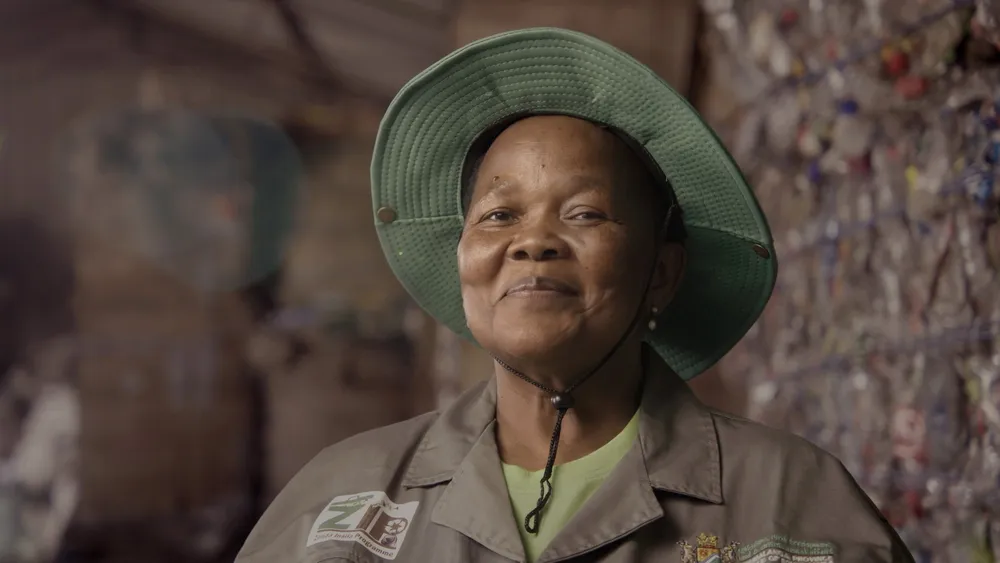
“Waste is not trash, it is economy. The role of stakeholders like municipalities and the province is very important because they need to take the lead.”
WINNERS: Safripol and partners (Gauteng); Masekhethele (a joint venture between Siyavuma Foundation and Thinavhuuo Recycling (Limpopo, with plans to expand nationally)
CATEGORY: Recycling Partnership Gamechanger
Safripol is a South African polymer producer that has implemented numerous impactful sustainability projects to advance waste collection and recycling in the country.
These sustainability projects have been carried out on their own and in partnership with various organisations, including PETCO, Green Corridors NPC, Tri-ecotours, Isphepho Enviro Ambassadors, Bophelo Recycling and the Johanna Road Informal settlement community.
Safripol’s initiatives include awareness campaigns, implementation of Litterbooms and material recovery facilities, recycling programmes in its offices, bulk bag sponsorships, equipment support for SMMEs and clean-up campaigns. All of these initiatives led the company, in n 2021, to collect 26.6 tonnes of recyclables.
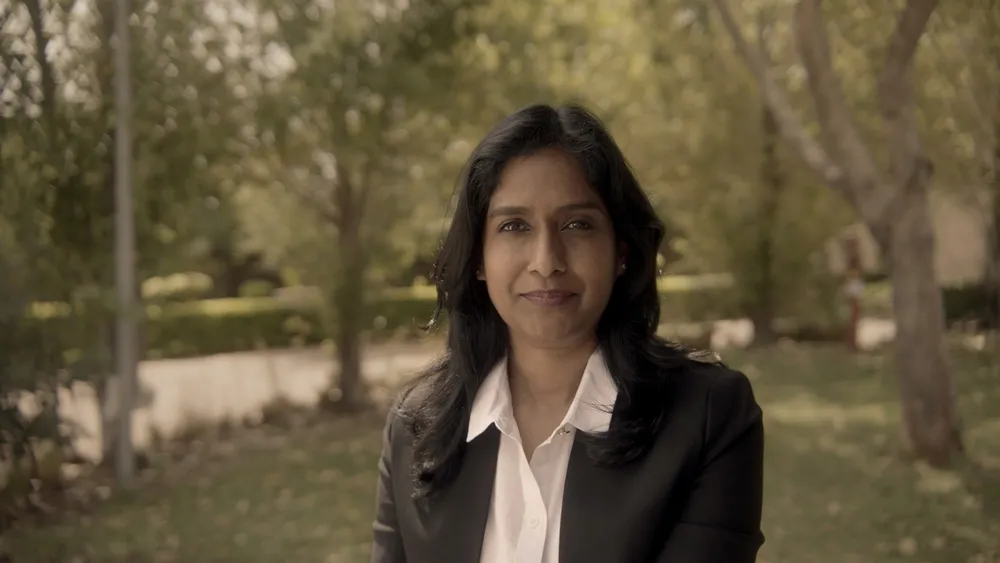
“We've realised in the process of implementing our sustainability strategy that partnerships are a key enabler. Without strategic partners, we can't achieve any of our sustainable development goals,” said Safripol Sustainability Manager, Avashnee Chetty.
“It's up to each and every one of us to make a difference and to be the change-makers.”
Masekhethele, a joint venture between Siyavuma Foundation and Thinavhuuo Recycling, supports and celebrates women waste pickers who source recyclables that are then transformed into high-quality products by sewing groups, entrepreneurs and woman sewers from Phalaborwa.
Over and above the income earned through sourcing recyclables, 10% of all profits go directly to the 350 waste pickers from Phalaborwa. The programme also offers technical and business training, facilitates employment opportunities, and runs a range of sustainability programmes, including the development of self-sustaining food gardens.
The programme employs 66 full-time company employees, but benefits a staggering 150 657 people in total.
“When one talks about recycling, it is PET because it is available, can be handled, and its value is higher than quite a number of other products,” said Thinavhuuo founder Willie Ramoshaba.