Why women’s empowerment in fintech must be rooted in agency, not just opportunity
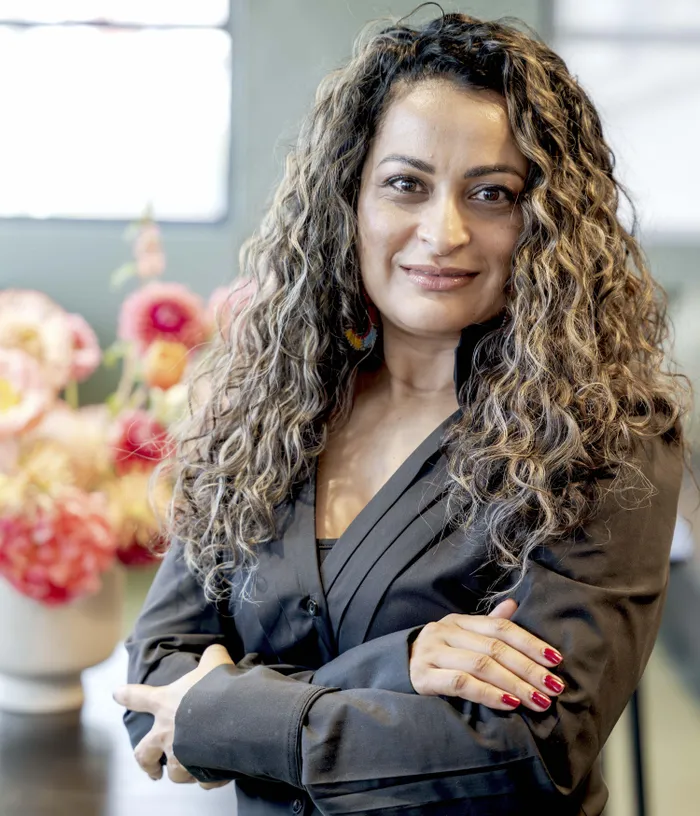
Savina Harrilal, Mukuru South Africa chief people officer
Image: Supplied
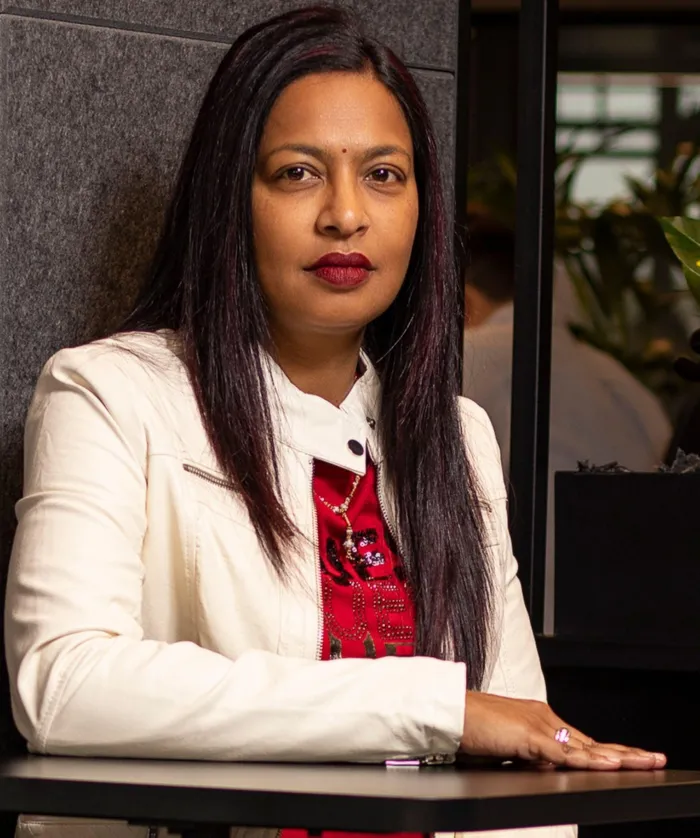
Nashlene Velayuthan, Mukuru South Africa head of diversity, equity, inclusion and belonging and learning enablement
Image: Supplied
Step into any leadership summit or corporate roundtable, and you’ll hear a familiar mantra: “Mentor her. Sponsor her. Coach her.” These calls to action are well-intentioned and often effective. But if we’re serious about advancing women in fintech, we must go further. The conversation must evolve from offering support to enabling self-determination.
Empowerment, as it’s often framed, focuses on what organisations can do for women - how we open doors, create programmes, and offer guidance. While valuable, it can make progress feel passive. True empowerment isn’t something we give. It’s something women claim. That shift, from opportunity to agency, is where transformation begins.
This is especially critical in fintech, a sector at the intersection of three traditionally male-dominated industries: finance, technology, and entrepreneurship. The result is what we call the triple glass ceiling. Breaking through it demands sustained cultural change.
Fintech is expanding access to financial tools for underserved women across Africa, yet that same transformative energy isn’t always reflected inside the companies driving it. A rethinking is needed.
Empowerment must go beyond representation. It’s not just about placing women in leadership or celebrating diversity metrics. It’s about forming environments where women feel confident to create their opportunities, challenge norms, and lead from wherever they are.
You can’t wait for someone to hand you a title or a map. Empowerment is saying, “I might not have three years of experience, but I’ve got the aptitude and the will to try. Will you take a chance on me?”
This kind of courage is lived every day by women navigating invisible barriers like bias in hiring, limited access to mentorship, and the “broken rung” that blocks early career progression. Agency means trusting women to make decisions, take risks and shape the future of work. Ultimately, it means removing the bubble wrap around talent and letting people experience real pressures as a show of trust that builds confidence.
Support systems like corporate sponsorships can be powerful tools for advancement, but they must be approached with care. Despite good intentions, sponsorships can link someone’s success to their sponsor rather than their merit. The goal should be to help women build a brand so strong that it speaks for itself.
Let’s also stop assuming empowerment is only for those aiming for executive titles. What about the woman who wants to shift from admin to tech? Or the one in operations who dreams of working in customer experience? Every woman deserves the tools, visibility and encouragement to make that leap.
At Mukuru, we’ve invested over R1.6 million in technology-focused bursaries for women, alongside skills-based progression frameworks and inclusive hiring practices with diverse interview panels. Our “InspireHer” platform gives a voice to everyday role models, not just execs, creating a powerful peer-to-peer culture of aspiration and action. Our RISE leadership programme complements InspireHer by supporting women (and men) at emerging, junior, middle, and senior levels across our global offices.
We chose the term “Diverse-ability” to reflect our belief that every individual brings something unique, and systems must be built to unlock that value. This includes race, ability, socio-economic background, language and lived experience. Inclusion isn’t an initiative; it’s a guiding principle.
We must also acknowledge internal barriers. Women often step away from job opportunities because they don’t tick every box. Confidence and self-belief are career-shaping forces. That’s why we’ve embedded a simple but powerful message at the end of our job ads: “We know self-doubt can hold people back. If you think you can do the job, even if you don’t meet every requirement, we encourage you to apply”.
Agency can only thrive in environments where people feel they belong. That’s why companies must invest not just in skills, but in safe, inclusive workplaces where women feel seen and heard. Belonging must be embedded in how we work, through flexible models, inclusive parental leave, asynchronous collaboration, coaching, and leadership rooted in psychological safety.
At our organisation, 56% of our workforce is female, and 32% of these women are in decision-making roles. Our engagement scores and employee referrals continue to climb - all proof that when people feel like they belong, they bring others along.
We measure belonging by asking: “Do our people feel they can speak up? Fail forward? Show up fully?” It’s one thing to hire diverse talent. It’s another to build the systems, feedback loops, and leadership capacity required for that talent to thrive.
And let’s not underestimate the ripple effect. When women within fintech companies feel empowered, they become the role models of better products for the women outside, especially in African markets, where access to financial services is challenging.
To every woman questioning her place in fintech: this space is waiting to be redefined by you. And the time is now.
Savina Harrilal, chief people officer, and Nashlene Velayuthan, head of diversity, equity, inclusion and belonging, and learning enablement, Mukuru South Africa