

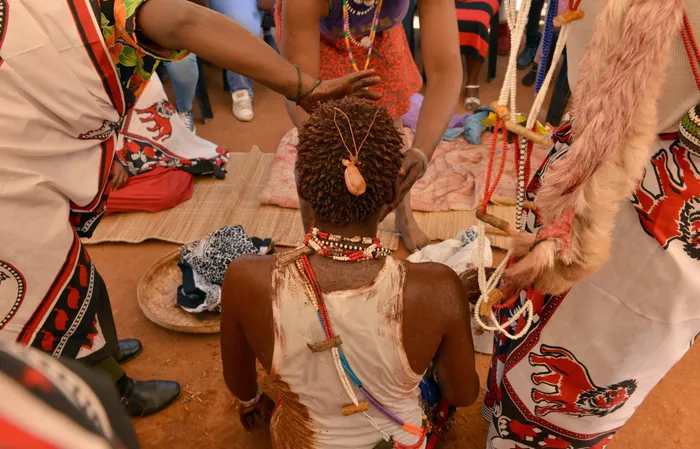
South Africa is marking African Traditional Medicine Day by promoting research and collaboration to strengthen the role of indigenous healing in modern healthcare.
Image: Oupa Mokoena
South Africa has joined the rest of the continent this week in commemorating African Traditional Medicine Day, an annual observance aimed at recognising the important role traditional medicine plays in improving the health and well-being of people across Africa and globally.
Observed every year on August 31, African Traditional Medicine Day acknowledges the enduring relevance of indigenous knowledge systems, including herbal remedies and other traditional therapies, which remain a primary healthcare source for over 80% of people globally, particularly in developing regions. This highlights both the cultural significance and accessibility of these practices within local communities.
The 2025 commemoration is not only a moment of reflection but a call to action for African governments to strengthen partnerships between science, technology and innovation institutions, traditional health practitioners, and the private sector. These collaborations are seen as crucial to accelerating the research, development, and local manufacturing of traditional medicine-based therapeutics that are safe, effective, and accessible.
This year’s national commemorative event will be held on Friday, August 29, at Moruleng Stadium, just outside Rustenburg in the North West Province. The event will be led by Deputy Minister of Health Dr Joe Phaahla, who will be joined by North West MEC for Health Mr Sello Lehari, as well as local government representatives, traditional leaders, and health sector stakeholders.
The event will be held under the theme: “Strengthen the evidence base for traditional medicine.” This theme aligns with the World Health Organization’s new Global Traditional Medicine Strategy 2025–2034, which was adopted at the 78th World Health Assembly in May 2025. The strategy aims to ensure universal access to safe, effective, and people-centred traditional, complementary, and integrative medicine, reflecting growing global interest in blending traditional practices with modern healthcare.