

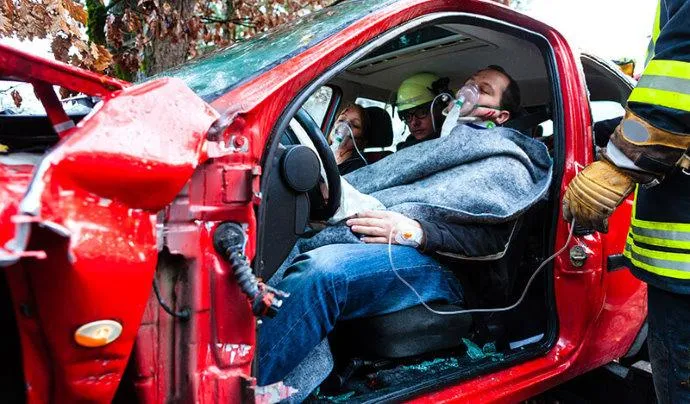
Medical emergencies behind the wheel pose serious risks for drivers and other road users. This article explores common health conditions such as heart attacks, strokes, epilepsy, and diabetes, highlighting how they can lead to accidents and what drivers, passengers, and fellow motorists should do to prevent and respond to such incidents.
Image: Supplied
Medical incidents are an often-overlooked but critical factor in road crashes, contributing significantly to accidents and fatalities. Experts emphasise that while human error remains the leading cause of collisions, sudden medical emergencies can incapacitate drivers and lead to dangerous situations on the road.
Conditions such as heart attacks, strokes, epileptic seizures, diabetic episodes, and blackouts (syncope) frequently impair a driver’s ability to maintain control of their vehicle. These emergencies can cause loss of consciousness, confusion, or physical incapacitation, often without warning.
Heart attacks are particularly hazardous as symptoms like chest pain and shortness of breath might be mistaken for less serious issues, prompting risky behaviour such as attempting to drive to a hospital. Medical professionals strongly advise drivers experiencing these symptoms to stop driving immediately and call for emergency help.
Stroke victims often experience symptoms such as dizziness, weakness, and difficulty speaking, which drastically impair driving capabilities. Immediate medical intervention is vital, with the FAST (Face drooping, Arm weakness, Speech difficulty, Time to call) acronym used to recognise warning signs quickly.
For those with epilepsy, adherence to treatment is crucial. Seizures can occur unexpectedly, causing sudden loss of vehicle control. Similarly, diabetics face risks if their blood sugar drops too low due to skipped meals or incorrect insulin dosages, leading to drowsiness and unconsciousness while driving.
Blackouts or fainting spells may result from various causes including dehydration, low blood pressure, or panic attacks, each presenting a serious threat behind the wheel.
Preventative measures focus on active management of chronic conditions and regular medical check-ups. Drivers are urged to monitor their health and medication side effects, especially when trying new treatments.
Passengers and fellow drivers should remain vigilant for signs such as erratic driving, confusion, or sudden stopping. If a medical emergency occurs, keeping calm, helping the driver safely pull over, and contacting emergency services promptly can save lives.
Medical emergencies may be unpredictable, but awareness and preparation remain key to reducing road crashes linked to health incidents.
Many medications, especially those affecting the nervous system, can cause drowsiness, dizziness, or blurred vision - all dangerous effects when operating a vehicle. Drivers are urged to review side effects carefully, particularly when starting new prescriptions, and to avoid driving if they experience impairing symptoms.
Recognising Warning Signs Before Driving
Though some medical emergencies strike suddenly, others provide subtle warning signs. Drivers should be attentive to symptoms such as sudden chest pain, blurred vision, confusion, or dizziness before hitting the road. Those with known conditions like epilepsy or diabetes should follow medical advice strictly to reduce risks.
How Passengers Can Help
Passengers play a critical role in road safety when a driver experiences a medical issue. Staying calm and alert to changes in the driver's behaviour or consciousness, encouraging them to stop safely, and taking control of the vehicle if necessary can prevent accidents.
Responding to Medical Emergencies on the Road
If you witness a driver suffering a medical episode, keep a safe distance, call emergency services immediately, and provide assistance only if safe to do so. For unconscious drivers, controlling the vehicle by steering it to the roadside and applying the handbrake can prevent further harm.
CPR: A Life-Saving Skill
In severe cases such as cardiac arrest, early CPR (cardiopulmonary resuscitation) is vital. Bystanders can perform hands-only CPR, focusing on chest compressions to maintain blood flow until paramedics arrive. Quick action can save lives.
Preventative Health Checks
Regular visits to healthcare professionals for management of chronic diseases like hypertension, diabetes, and heart conditions are essential for minimising medical emergencies on the road. Medication adherence and lifestyle adjustments also contribute significantly to safer driving.