Why accepting cash from your insurer may backfire
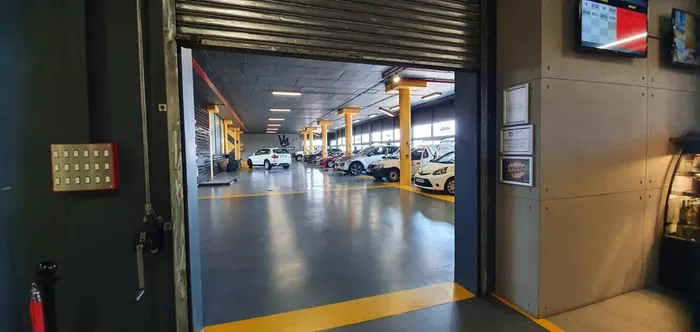
The rise of 'cash in lieu' settlements offers motorists instant money after accidents, but industry body warns the short-term gain could come with long-term.
Image: Supplied
As the cost of living bites and budgets tighten, more South African motorists are taking what seems like the easy way out after an accident, accepting cash from their insurers instead of repairing their cars properly. But the South African Motor Body Repairers Association (SAMBRA) warns that this growing “cash in lieu” trend could end up costing drivers far more in the long run.
The practice, known in the industry as “cash in lieu,” allows insurers to offer a payout instead of authorising proper repairs or part replacements after an accident. While the offer of instant cash may seem appealing, especially for those struggling to afford insurance excess payments, SAMBRA says many motorists don’t realise that accepting it effectively waives the insurer’s responsibility for future issues.
This can leave vehicle owners out of pocket, driving unsafe cars, and facing problems down the line when trying to claim again or sell their vehicles.
Juan Hanekom, national director of SAMBRA, says the practice is gaining traction among motorists who may not fully understand the potential risks.
“Essentially, this payment absolves the insurer from any further liability and leaves the consumer exposed if problems arise later,” he cautions.
While the offer of immediate cash may appear attractive, especially for those struggling to cover their excess, it can definitely leave consumers vulnerable in several ways:
1. Under-compensation: The payout offered by insurers may not fully cover the actual cost of quality repairs or replacement parts, often being calculated on a net rather than full replacement part and labour cost.
2. Vehicle safety risks: Using sub-standard repair processes can compromise the structural integrity and safety of the vehicle.
3. Resale and warranty implications: Vehicles repaired without manufacturer-approved parts may lose resale value, and warranties could be voided.
4. Claims complications: Consumers may face lengthy disputes if the settlement proves insufficient to cover the necessary repair costs.
“SAMBRA believes consumers should be fully informed about the implications of accepting a cash-in-lieu settlement,” says Hanekom. “While insurers may see it as a cost-saving measure, the real cost can fall on the vehicle owner in the form of safety concerns, diminished value, and inferior workmanship.”
Hanekom notes that, with the rising cost of vehicle parts, motorists should always do their homework before agreeing to a cash settlement. “It’s essential to get a comprehensive quote from a professional, accredited repairer to understand the true cost of repairs.”
SAMBRA advises motorists to:
• Confirm that the cash offer accurately reflects the full cost of the repair or quality replacement part.• Understand any waiver of rights or exclusions linked to the payment.• Get all agreements in writing, including any potential impact on warranties, future claims, or liability.
“Your car is more than just a means of transport – it’s a significant investment,” concludes Hanekom. “When accidents happen, it’s always wiser to prioritise proper repairs over quick cash payouts to ensure safety, quality, and long-term value.”