
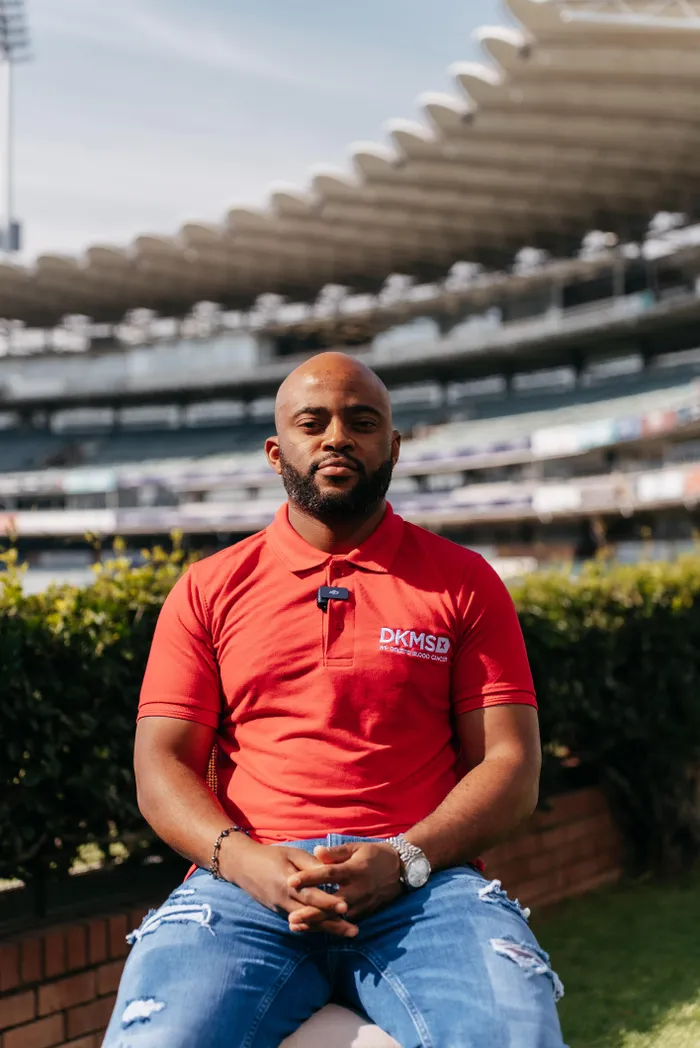
Temba Bavuma stands at the forefront of the fight against blood cancer, urging men to take action and register as stem cell donors.
Image: Supplied
South African men face a 20–50% higher incidence of blood cancers than women, yet awareness of stem cell donation remains low. To help change this, sports stars Jaco Pretorius, Seabelo Senatla and Temba Bavuma are stepping up to encourage men to register as stem cell donors and potentially save lives.
With South African men having a 20–50% higher incidence rate of blood cancers than women, sports icons Pretorius, Senatla and Bavuma are leveraging their platforms to challenge more men to join the stem cell registry and help rewrite the odds for patients in need.
The challenge confronts a widespread public disconnect from the issue. “Many people seem to be disinterested, until one of their own is diagnosed,” notes Senatla. “People tend to be nonchalant when things don’t pertain to them; they have this attitude of ‘not my problem’.”
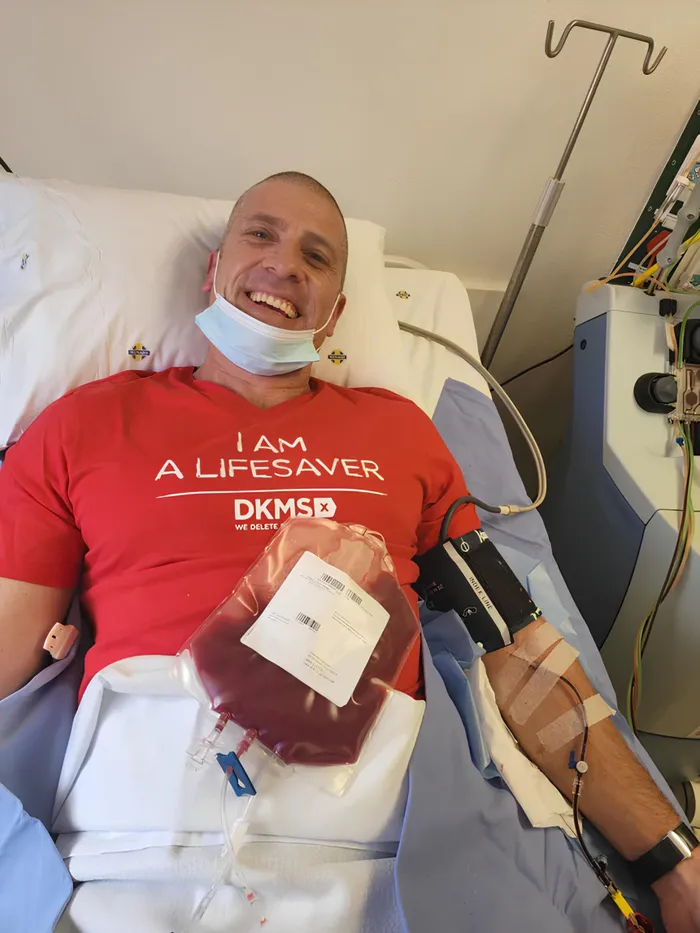
Jaco Pretorius shares his personal journey, motivating others to register as stem cell donors and make a difference.
Image: Supplied
Pretorius agrees that a lack of awareness is a major hurdle. “My experience is that people are not aware of the great need in our country and the simplicity of the process. But we’ve seen so many times how sport has the power to unite South Africa. When athletes from different backgrounds set an example, I believe people will follow and together we can make a real difference.”
His advocacy is rooted in his own firsthand experience. Motivated to register after his best friend’s life was saved by a transplant, he was later called upon to donate. He hopes sharing his story will dismantle common fears. “The perception is that it is a painful procedure which carries personal risk. My experience was the complete opposite.”
A concern Bavuma often hears about is the time commitment, especially for those with demanding jobs or family responsibilities. "But if you do get the call to donate, those few days potentially add years, even decades, to someone else's life. That's a trade any of us should be willing to make.”
Tackling a common myth, Senatla says, “One of the biggest myths I’ve had to debunk is people having the notion that since stem cells are taken from them, they’ll be left with fewer stem cells. The body of a healthy person is constantly producing stem cells. You’re not in danger of having too little if you donate some to someone.”

With passion and purpose, Seabelo Senatla advocates for stem cell donation, reminding us that 'you’re never too important to help.
Image: Supplied
For him, the motivation to act is deeply personal. “I grew up in an environment in which I was made to understand that your gifts are not only for you. Other people must benefit as well. That’s what’s in practice here.”
Addressing men who might be hesitant, Senatla points out that they aren’t losing anything by registering. “Rather, they’re affording someone who is ill a second chance at life.”
Bavuma challenges the passive mindset. “In cricket, you can't field, thinking someone else will take the catch. The same goes for this. Too many people assume there are enough donors already, or that someone else will register.”
Pretorius adds, “I would encourage other people to immediately take action. The process is pain-free, professional, non-invasive and there are no financial implications - only your time and commitment.”
The outcome of his simple act was profound. “I received communication from the stem cell recipient that the transplant was successful and the person is healthy and well. That was one of the best feelings - to know that through such a simple action, someone else’s life was saved.”
Palesa Mokomele, head of community engagement and communications at DKMS Africa, highlights the impact of these role models. “While men currently make up the majority of registered donors in South Africa, the overall pool of donors is critically low compared to the national need. Having respected public figures like Pretorius, Senatla and Bavuma lead this conversation is invaluable. When men see other men stepping up, it directly challenges hesitation, shifts perceptions and ultimately helps save lives.”
Senatla offers a reminder of our shared humanity. “You’re never too important to help and you should help because you can. Being in a position to help is an absolute privilege.”
“This isn't a spectator sport; everyone who can help needs to get in the game,” concludes Bavuma.
South Africans aged 17 to 55 who are in good health can register as potential stem cell donors. The process is simple and starts with online registration and a cheek swab.