

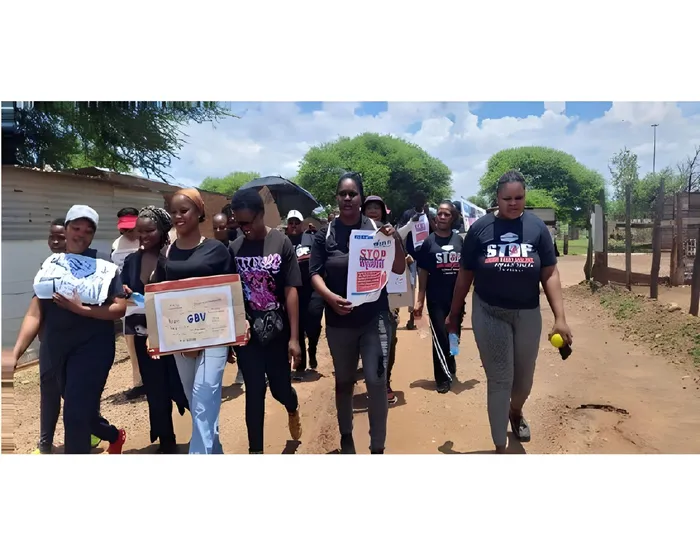
Community-based organisations are trained to offer sustainable help to women experiencing violence.
Image: Supplied
In the mining communities of North West and Limpopo, where economic pressures and social isolation often trap women in violent homes, a growing network of support is helping survivors reclaim their safety - and their futures.
More than 2 800 women have received help this year alone, many of them from Amandelbult, Mogalakwena, Mototolo, Twickenham and Process Rustenburg. Their needs range from trauma counselling and emergency accommodation to legal assistance and support with protection orders.
For many, this help is coming from local women who run small community-based organisations (CBOs) - people who live in the same streets, understand the same hardships and often respond long before a government system does.
“These women know the community, they know the danger points, and they know what it means when someone whispers that they ‘need a place to sleep tonight’,” a CBO mentor explained. “They’re the first responders in places where formal services are overstretched.”
Through a partnership between Valterra Platinum and Tshikululu Social Investments, 12 of these grassroots organisations have received training, mentorship and resources to strengthen their response to gender-based violence (GBV). Support ranges from trauma packs and food vouchers to transport for court appearances. Basic needs, such as toiletries for women fleeing at night, remain among the most requested forms of help.
The scale of the crisis is sobering. Nationally, one in three South African women have experienced physical violence in their lifetime (HSRC, 2024). In mining communities, the number is even higher. A study by Women Affected by Mining in Action (2024) found that 56% of women surveyed had either survived GBV or personally knew a victim.
For many women, economic dependence makes leaving an abusive relationship almost impossible. Local organisations say this is where the programme’s broader support - including help with income-generating initiatives such as food gardens - becomes crucial.
According to the programme partners, the goal is not only to meet immediate needs but to build a local ecosystem that can sustain itself.
“Sustainable impact requires collaboration between strong organisations, communities, funders and the private sector,” says Leanne Emery Hunter, Chief Executive Officer at Tshikululu Social Investments. “We are proud to support Valterra Platinum in building safer, more resilient mining communities and strengthening the ecosystem that supports survivors.”
While the work continues year-round, community activists say the festive season can be one of the most dangerous periods for women - and one of the most resource-stretched for shelters.
“The 16 Days of Activism reminds us that more stakeholders across the funding, philanthropic and corporate landscape need to be activated and invest in sustainable and measurable GBV interventions that reach survivors and strengthen communities for the long term,” says Yvonne Moflo, Executive Head: Corporate Affairs and Sustainability at Valterra Platinum.
For the women who have escaped life-threatening situations, the support has been more than a service - it has been a lifeline.
As one survivor in Mogalakwena said quietly after receiving a protection order she had feared to apply for alone: “I didn’t think anyone would stand with me. Now I feel like I can breathe again.”