

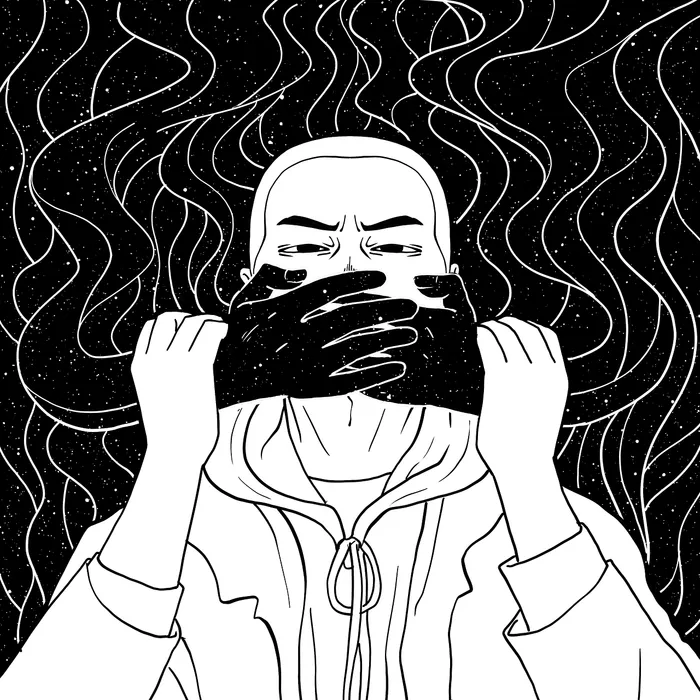
Free SA cautions that draft regulations under the Hate Crimes and Hate Speech Act may overreach, threatening South Africans’ rights to free speech, privacy and public debate.
Image: Pixabay
In a media statement, The Foundation for Rights of Expression and Equality (Free SA) has launched a national campaign calling on South Africans to speak out against the draft regulations under the Prevention and Combating of Hate Crimes and Hate Speech Act, 2023.
The Department of Justice and Constitutional Development is currently accepting public comment on the proposed regulations, but Free SA warns that these regulations represent a dangerous overreach that could undermine fundamental rights.
“While we fully support efforts to tackle genuine hate crimes, these draft regulations go far beyond their stated purpose,” said Paul Maritz, Director of Free SA. “They risk criminalising legitimate expression, burdening the justice system, and enabling government surveillance on a scale that threatens every South African’s right to privacy.”
Among the organisation’s core concerns are:
Free SA warns that the broad language and weak safeguards could be weaponised against journalists, artists, academics, and ordinary citizens who express controversial or unpopular opinions.
“What South Africa needs is robust protection of free speech, not sweeping state surveillance in the name of social harmony,” Maritz continued. “We must remember that the Constitution protects not only popular views, but also those that challenge the status quo. These regulations risk silencing dissent in the name of order.”
Free SA is calling for:
South Africans are urged to submit their comments before the deadline of 28 January 2026. Public participation is not a formality, it is a constitutional right.
“This is our chance to prevent a bad law from becoming a dangerous precedent,” concluded Maritz. “We will not stand by while government expands its powers under the guise of protecting society. South Africans must speak now - or risk being silenced later.”