


ThatoHatsi Raphadi has spoken out following body-shaming remarks made about her on the Piano Pulse podcast, thanking supporters who rallied behind her in the aftermath.
Image: Facebook/Thatohatsi
Criticism of the Piano Pulse podcast has intensified amid renewed scrutiny over its content focus and tone.
Media commentators and industry observers argue that the show frequently deviates from music-centred discussion, instead placing emphasis on artists’ personal lives, appearances and relationships.
The controversy stems from a clip circulated online in which co-host Sfiso “Mafitsotso” Ndlovu joked about Amapiano vocalist ThatoHatsi Raphadi’s body, making comments unrelated to her music or career.
Raphadi has since spoken out following body-shaming remarks made about her on the podcast, thanking supporters who rallied behind her in the aftermath.
In a recent post shared on Instagram, she said the messages of encouragement she received helped her regain a sense of confidence after the comments went viral.
“I would like to thank each and everyone who has been so supportive to me. I read your messages, comments and videos that were made to uplift me,” she wrote.
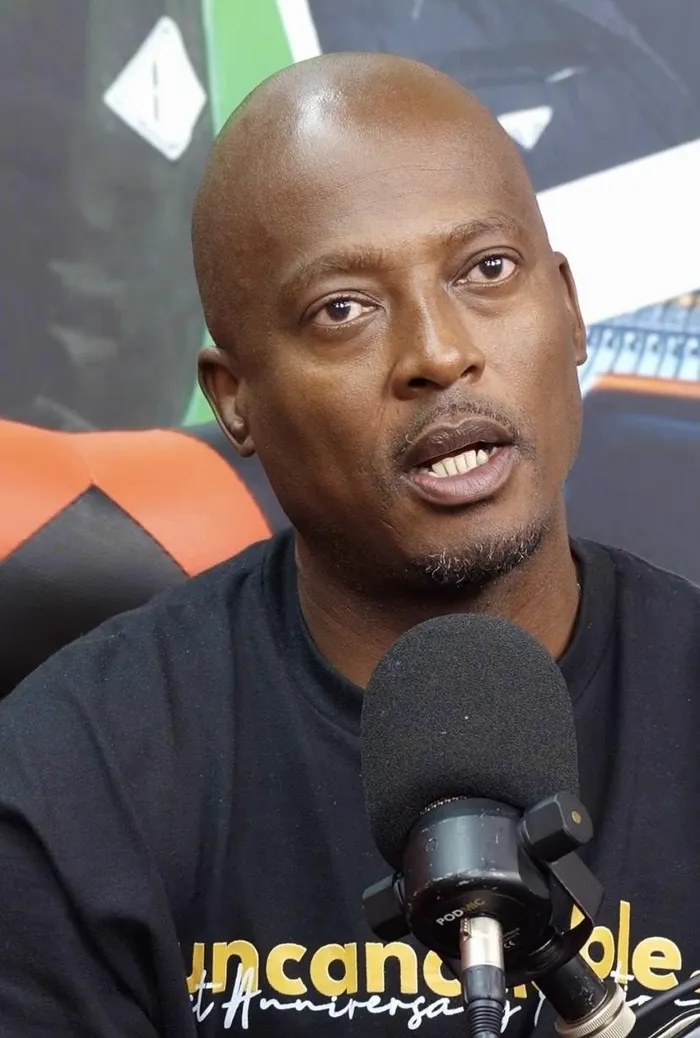
Piano Pulse co-host, Sfiso Ndlovu issued an apology to Thatohatsi Raphadi after a clip of him saying remarks about her body went viral.
Image: Instagram
In the clip that garnered attention online, co-host Ndlovu spoke about Raphadi’s body, saying that “even if I were to lock her up and make her drink oil, she would never gain weight,” he said.
Raphadi later shared a video on TikTok using the audio from the podcast clip, visibly distressed, and revealed that she was exhausted from having to defend her natural body. Her caption, in which she stated, “Not suicidal, but I wouldn’t mind at this point,” prompted widespread concern and support across social media.
The incident reignited criticism of the podcast’s content direction, with many questioning why discussions routinely centre on artists’ appearances rather than their musical contributions.
This incident is not the first time Piano Pulse has faced backlash.
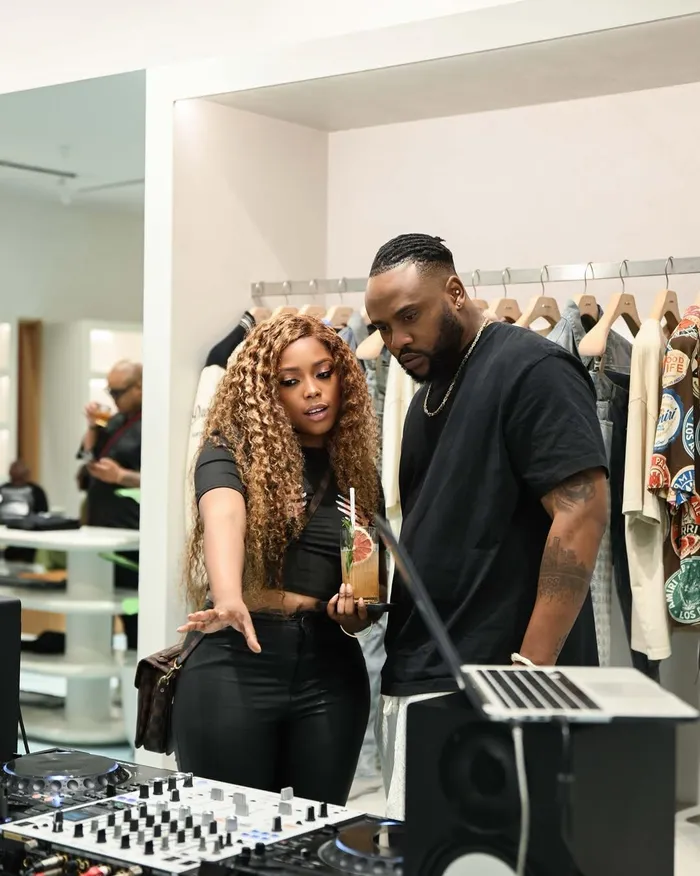
Musicians Gigi Lamayne and Sizwe Alakine/Reason relationship has become a hot topic, after Sizwe called out podcasters Thakgi Ledwaba and Sfiso Ndlovu for speaking about Gigi.
Image: Instagram/reasonhd_
In March 2025, rapper Reason (Sizwe Alakine) confronted the podcast’s hosts after they made disparaging comments about his partner, rapper Gigi Lamayne, comparing her unfavourably to his former partner, LootLove.
“What downgrade? What gives you the right to sit here and discuss another man’s relationship and then have an opinion that they are a downgrade? What are you teaching these kids here?” Alakine said.
Last week, Reason again raised concerns during an appearance on Podcast and Chill, questioning the vision of the podcast and arguing that artists form the backbone of such platforms.
He cited DJ DBN Gogo as an example, highlighting her role in promoting amapiano culture through festivals and international exposure. “Artists like DBN Gogo are out here building the culture, putting amapiano on global stages and creating platforms through festivals, while podcasts sit back and disrespect the very people who make this industry move,” Reason said.
Reason said he “hates the disrespect” often present in podcast commentary, arguing that it undermines the work artists put into their craft.
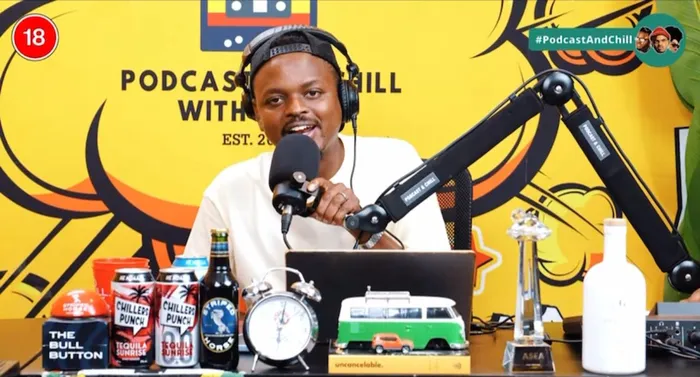
Addressing the petition, Podcast and Chill Network co-founder MacG dismissed calls for cancellation
Image: File.
Public backlash has included a petition calling for Piano Pulse to be cancelled, which has amassed more than 13,700 signatures. Addressing the petition, Podcast and Chill Network co-founder MacG dismissed calls for cancellation, saying:
“This is very simple; if you don’t like Piano Pulse, leave a comment, and let’s keep it moving. No need for violence.”
In an episode released this week, Ndlovu acknowledged the backlash, clarifying that some of the viral clips were from older episodes. He apologised for the most recent remarks about Raphadi, saying:
“My comment on the full context of the clip was not meant to hurt you. I care about you so much. You don’t deserve to feel the way that you do. I am sorry for my part. You are a beautiful woman.”
Ndlovu has previously apologised for comments made about singer Babalwa M, after suggesting her lack of performances was linked to alleged drinking habits. “I apologise for my strong wording,” he said at the time, adding that his comments may have been poorly received.
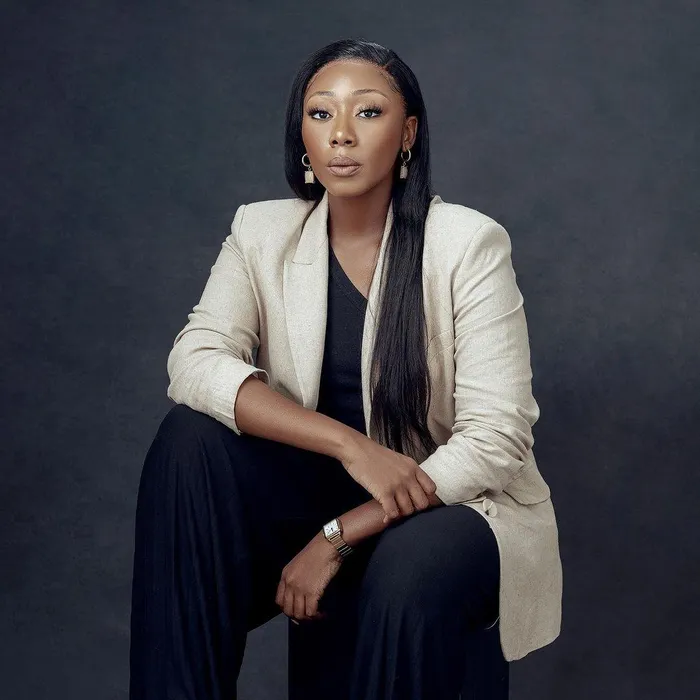
International speaker and podcaster Lebo Lion. Lebo Lion described the podcast’s content as “reckless clickbait” and argued that continued viewership enables toxic behaviour.
Image: Supplied
Marketing strategist and speaker Lebo Lion also entered the conversation, criticising both the podcast network and the role of audiences in sustaining harmful content.
In a shared video, Lion described the podcast’s content as “reckless clickbait” and argued that continued viewership enables damaging behaviour.
She also questioned why audiences continue to support platforms they claim to find harmful, saying viewers ultimately hold power through what they choose to watch and amplify. “As audiences, we need to understand the power we hold. Every view, comment and share contributes to the success of a platform, even when we claim to disagree with its content,” Lion said.
She further warned that content creators respond to the attention they receive. “If we don’t want to see harmful or toxic content, the first step is to stop giving it our clicks and engagement. Especially because young audiences are watching, and it teaches them that humiliation and controversy are ways to succeed,” she said.
[email protected]
Saturday Star