

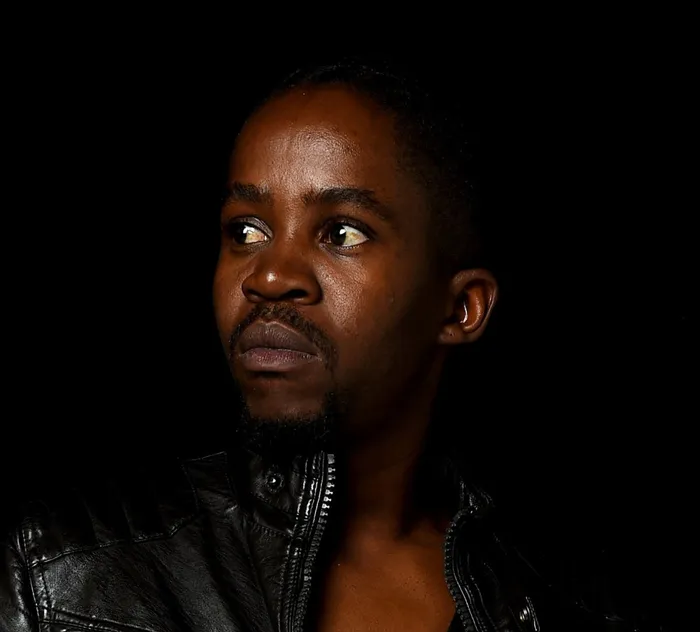
Rabbie Serumula, author, award-winning poet, journalist.
Image: File
When Cyril Ramaphosa finished his State of the Nation Address (SONA), the hall paused. Applause followed. Cameras clicked. Protocol was observed.
And then the real show began.
Because in South Africa today, SONA is a production. A carefully rehearsed performance where every political party arrives knowing exactly which role it will play.
The President is the lead actor. Parliament is the stage. And everyone is waiting to see whether this year’s script brings change, or just another rerun.
The African National Congress applauded on cue. They heard progress. They heard stability. They heard leadership.
To them, this was a President in control, a government turning the corner, a country moving forward. It was loyal applause, part belief, part obligation. In politics, the clap often comes before the proof.
The Democratic Alliance chose caution. Its leader, John Steenhuisen, called the speech “solid”. Not inspiring. Not disastrous. Solid. That is political language for: we are watching closely.
The DA accepted the diagnosis, crime, unemployment, infrastructure, illegal immigrants, and corruption, but reminded the President that knowing the illness is not the same as curing it. Promises, they argued, must become running taps, jobs, trains, and safety.
The Economic Freedom Fighters refused to clap. Their leader, Julius Malema, dismissed the speech as “energy without action”, passion without delivery, rhythm without results. To him, committees do not feed families. Task teams do not build futures.
Malema did, however, support the deployment of the South African National Defence Force against gang violence, describing it as one rare moment of boldness in an otherwise cautious speech.
The uMkhonto weSizwe Party had no patience at all. They called the address repetitive. Empty. A recycled script. South Africans, they said, are tired of previews. They want the main show. Its MP, Visvin Reddy, dismissed the entire address as an expensive performance with little return. He pointed to the estimated R7 million cost and called SONA what he believed it had become: a political “talk show” funded by taxpayers.
Why gather in Parliament, he asked, to listen to a story that could just as easily have been broadcast on television, as it was during Covid-19?
And then he went for the basics: water. He reminded the country that water is not a luxury. It is life. And that, a government that cannot guarantee it has failed at the most fundamental level. For him, no speech, however polished, can hide empty taps.
ActionSA tried the balancing act. Its leader, Athol Trollip, praised the honesty but criticised the distance. You cannot admit failure, he argued, without owning it. You cannot promise repair while standing on the pavement.
And so the reactions followed their familiar rhythm. The ANC praised. The DA measured.The EFF attacked. Others protested. Everyone heard the same speech. Everyone told a different story.
The speech is the easy part. Delivery is the hard part. History will not remember who clapped the loudest. It will remember who fixed the country.