Eco-friendly bird abatement gains ground as poison loses favour
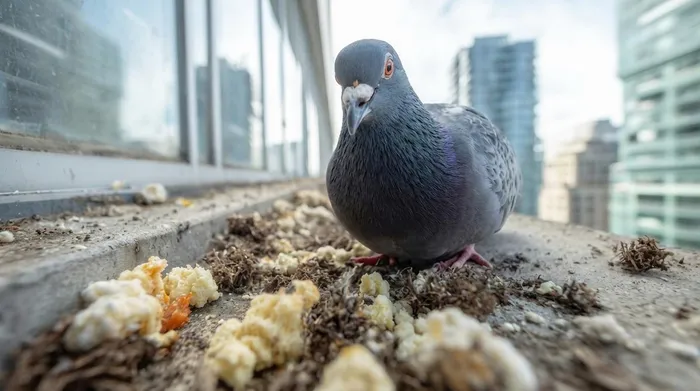
Pest birds like pigeons can damage infrastructure and pose health risks; raptors are used as part of ethical control strategies.
Image: Supplied
Certain bird species, including pigeons, sparrows and starlings, can disrupt commercial and industrial operations, spread disease and damage infrastructure, experts warn. While birds are often admired as part of the natural environment, their presence in industrial and commercial spaces can pose serious health, safety and operational risks.
The need for effective bird control has intensified post-Covid, with increased scrutiny from health inspectors and heightened awareness of biosecurity risks. Commercial kitchens, food manufacturing plants and pharmaceutical facilities face particular challenges, while solar installations can see panel efficiency reduced by up to 40% due to bird fouling. In poultry farms, a single contamination event can require the destruction of tens of thousands of birds, creating both operational and financial impacts.
Modern bird-abatement techniques are increasingly being used to address these risks. Methods include the use of trained birds such as Harris Hawks and advanced laser systems, which act as deterrents. In some cases, these approaches have demonstrated success rates of 60% to 80%, with additional technologies such as automated deterrent pods achieving up to 98% effectiveness when combined with continuous monitoring and maintenance.
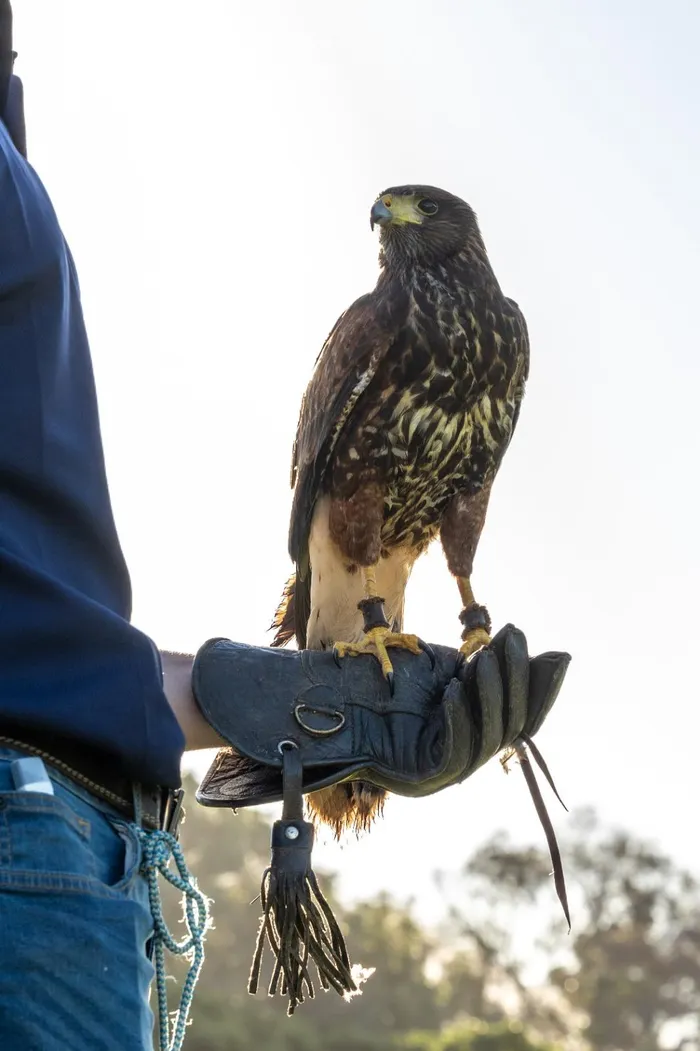
Hawks are increasingly used in bird-abatement programmes to manage pest populations safely.
Image: Supplied
The Bird Abatement Association of South Africa (BAASA) plays a vital role in regulating ethical practices within the industry. It ensures compliance with legislation and promotes humane practices, including trapping and relocating birds when necessary to prevent health hazards.
Pest control industry experts emphasise that effective bird control programmes require detailed site assessments, accurate identification of bird species and consideration of their protected status. Programmes are tailored to individual sites to ensure compliance with legislation and ethical standards. For example, regulations restrict the use of indigenous birds for abatement, with exceptions only for captive-bred birds. Birds used in abatement are typically flown only during morning and evening hours and for limited durations.
Deon van Staden, managing executive of Servest Hygiene Solutions, said: “There modern bird abatement techniques, such as trained hawks like the American Harris Hawks and advanced laser systems, as deterrents. This has demonstrated higher success rates of between 60% to 80% and it is also an environmentally responsible solution."
Francois Breedt from FCG Bird control said bird abatement is not a one-size-fits-all solution. “Hawks can only be flown in the morning and the evening and only for a certain duration,” says Breedt. Current legislation restricts the use of indigenous birds for abatement, with limited exceptions for captive-bred birds.
They also note that ongoing monitoring, site-specific maintenance and adherence to regulations are critical to the long-term success of bird-abatement programmes. Some companies are also exploring innovative solutions, such as falcon-like drones, to deter birds during peak daylight hours when trained birds are unable to fly.
As biosecurity concerns and environmental regulations evolve, industry sources say that staying ahead of emerging technologies and trends is essential. Understanding the long-term benefits of environmentally responsible bird-abatement methods and budgeting for regular maintenance, is key to minimising operational risks while remaining compliant.