

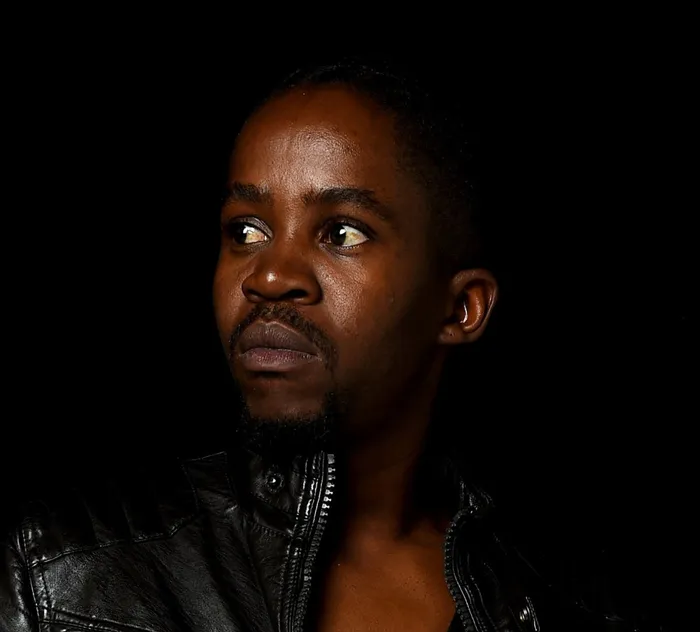
Rabbie Serumula, author, award-winning poet, journalist.
Image: File
There are weeks in South African politics when everyone smiles for the cameras. And then there are weeks when the gloves come off.
This was a week of swinging. Ronald Lamola looked tired of the whisper that had followed him since that now-infamous moment in the Oval Office; the pat on the back from Johann Rupert that many turned into a metaphor. A metaphor for proximity. For compromise. For something softer than struggle. At the podium this week, Lamola did not look soft.
In Parliament, and later in the political arena, he aimed directly at Jacob Zuma and the MK Party, with zero diplomacy. He said Zuma had “sold” South Africans who found themselves trapped in Russia. And then he asked the question that cut deeper than any policy debate: “What kind of a father sells his own children?”
As Minister of International Relations and Cooperation, Lamola knows the bureaucratic maze, the diplomatic tightrope, and the quiet negotiations required to retrieve citizens caught in geopolitical storms. Bringing South Africans home from Russia is not a WhatsApp call; it is a chessboard where every move has consequences. So when he speaks of “selling,” he is not only accusing. He is indicting. But Lamola did not stop there.
He turned to the Democratic Alliance and demanded clarity. Choose, he said, in essence. Are you inside the African National Congress-led Government of National Unity, or are you outside of it? You cannot harvest the fruit of policies you inherited and then set fire to the orchard for applause. You cannot be both arsonist and firefighter. And just when the chamber’s temperature felt high enough, another image entered the national imagination: cardboard boxes.
Sihle Lonzi of the Economic Freedom Fighters carried boxes of CVs into Parliament. Physical proof, he said, that young people are not lazy, not basking in the sun as Gwede Mantashe, the national chairperson of the ANC, has implied in moments of frustration. They are applying. They are knocking. They are waiting.
Lonzi said his party would mobilise unemployed youth to deliver their CVs directly to the Union Buildings, to Parliament, and to the office of Gwede Mantashe to seek employment opportunities. Holding a second box, he said it contained the cases of students who had completed their qualifications but were being denied their degrees due to outstanding fees. A degree is not a decoration. It is not a framed certificate for a living room wall. It is supposed to be a key. The very instrument that unlocks employment, that turns study into salary, that converts potential into participation in the economy. To withhold it because of debt, Lonzi argued, is to lock the door and then blame the graduate for standing outside.
“It is the very degree that should unlock employment opportunities and enable them to earn a monthly income,” he said. “Give them their degrees so they can seek work.”
South Africa feels like a house where everyone is arguing over who left the door open, while the wind keeps blowing in. And hope is catching a cold.