

Healthcare providers say Budget 2026 must prioritise immediate access to primary care while long-term NHI reforms remain delayed.
Image: Supplied
As Finance Minister Enoch Godongwana prepares to table the 2026 national budget, healthcare providers are urging government to prioritise immediate affordability and accessibility measures, delivering on the promise that President Cyril Ramaphosa made during the State of the Nation Address (SONA).
Without immediate action and a firm commitment from government that ensures that hospitals and clinics are built or upgraded – in pursuit of a healthy nation – millions of South Africans will continue to be excluded from primary healthcare while long-term reforms such as National Health Insurance (NHI) are hang in the balance.
Healthcare access cannot be suspended while government undertakes to hold off on implementing any aspects of the NHI into effect until May’s Constitutional Court hearing has been held,
Despite the NHI’s operational implementation being paused, there remains the question as to how it and Ramaphosa’s pledged substantial investment in health infrastructure, will be funded. Many South Africans cannot afford to wait to see a nurse or doctor today and healthcare cannot be placed on hold while long-term investments are still being structured.
Anywhere between three-quarters and 80% of South Africa’s population rely on public healthcare.
With the further delay to NHI’s implementation, the divide between private and public healthcare continues to widen. Those with medical aid retain choice and speed of access.
Those without it navigate overcrowded facilities and long waiting times. A growing segment of working South Africans earning too much to qualify for free public services yet too little to afford private insurance remains structurally excluded. That middle-income gap is where the system is currently failing.
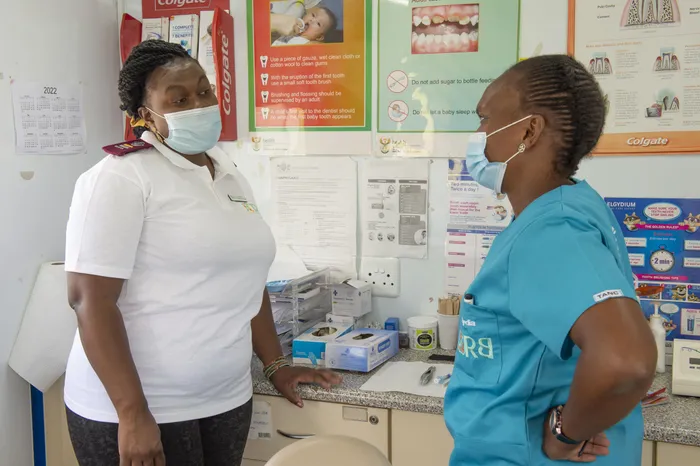
Community-based primary healthcare providers such as Rhiza Babuyile argue that practical, scalable models already exist to bridge this divide.
Nurse-led clinics operating in township communities are delivering affordable primary care through hybrid models that combine permanent facilities, mobile units and structured referral pathways into the public system. Consultations are typically priced at around R300, which is less than half what private GPs cost for the same level of care given that not all ailments require a visit to the doctor’s practice, making preventative and early-stage treatment more accessible to working families. These facilities integrate with provincial departments of health, partner with private funders and balance paying and subsidised patients to maintain sustainability.
Self-sufficiency must mean more than future NHI funding structures. It must also recognise what is already working on the ground and enable those models to scale.
Recent expansion of Rhiza Babuyile’s mobile clinic services in Khayelitsha, delivered in partnership with the Western Cape Department of Health and supported by the FirstRand Empowerment Foundation, demonstrates how public-private collaboration can extend reach without duplicating infrastructure. This marks Rhiza Babuyile’s 9th mobile clinic, along with its 11 brick and mortar clinics nationally.
Healthcare advocates believe the 2026 Budget presents an opportunity to introduce interim financing mechanisms that lower barriers immediately.
A co-payment or reimbursement model for accredited community clinics could widen access without the capital costs of building new facilities from scratch. The Infrastructure exists. Skilled nurses exist. Community trust exists. What is missing is the financing bridge.
The urgency is particularly evident in reproductive health. More than 60% of pregnancies in South Africa are unplanned or not desired at that time, contributing to disrupted education, constrained workforce participation and inter-generational economic vulnerability. Access to contraceptives, HIV testing, maternal care and chronic disease management at community level directly shapes long-term social and economic outcomes.
Every delay in access compounds future cost, the country does not need to choose between supporting NHI and strengthening primary care today. It must do both.
As Treasury finalises healthcare allocations, community providers are calling for pragmatic funding decisions that expand access immediately while broader reforms evolve.
Policy reform is important, but healthcare access cannot be deferred to future cycles. The budget must fund what already works - not postpone it.
Alef Meulenberg, founder and executive chairman at community development non-profit organisation, Rhiza Babuyile.