

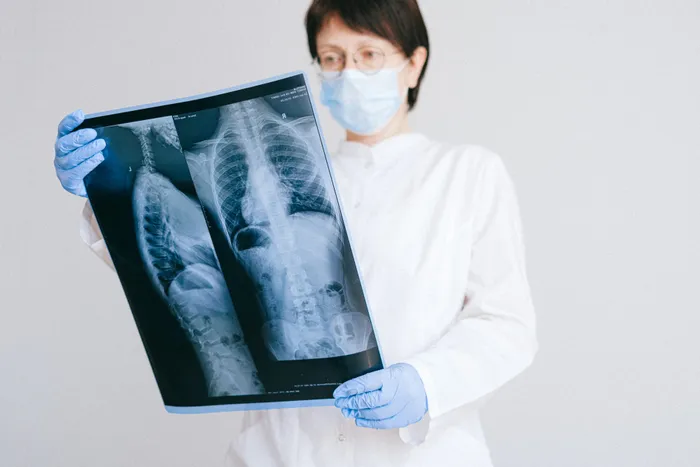
A new study reveals that South African managers, office workers and engineers face higher odds of dying from lung cancer, especially men aged 60–64. Experts warn that workplace exposures and smoking may be behind the hidden risks.
Image: Pexels
A new analysis of South African mortality data has identified certain occupations linked to a higher risk of dying from lung cancer – and the results may surprise many.
The Public Health Bulletin of South Africa (PHBSA) has released the first article in its Cancer and Occupation series, which examined deaths from 2011 to 2015. During this period, 17 112 lung cancer deaths were recorded in South Africa, representing 1.11% of all deaths. Men accounted for 71% of these deaths, with the highest number occurring in the 60–64-year age group. A significant proportion of cases were reported in the Western Cape and Northern Cape.
The study found that twice as many smokers as non-smokers died from lung cancer, though smoking information was missing in over half of the records. After adjusting for factors such as age, sex, province, year of death, education, smoking status and next-of-kin smoking status, several occupation groups were associated with significantly increased odds of lung cancer death.
These high-risk groups include:
Management occupations
Science and engineering professionals
Business and administration professionals
Science and engineering associate professionals
General and customer services clerks
Various trades and plant/machine operator roles for both men and women
Additional elevated risks were identified in specific professional, sales, protective service and elementary worker groups for men and women.
The inclusion of managers on the list may seem surprising. The study suggests that occupational exposures alone don’t fully explain the risk; lifestyle factors such as smoking, historical work environments and stress may also contribute.
The authors emphasise the role of occupational health and safety measures, noting that “some of this excess lung cancer mortality in particular occupation groups may be related to occupational carcinogen exposures” and highlighting the need for “ongoing monitoring and enforcement of occupational health and safety and tobacco control legislation.”
The study underscores that lung cancer isn’t confined to industrial or high-exposure jobs. As PHBSA’s research shows, even office-based professions, such as managers or clerks, face higher odds – making awareness and prevention strategies crucial across all sectors.
For more information on this study, visit www.phbsa.ac.za