

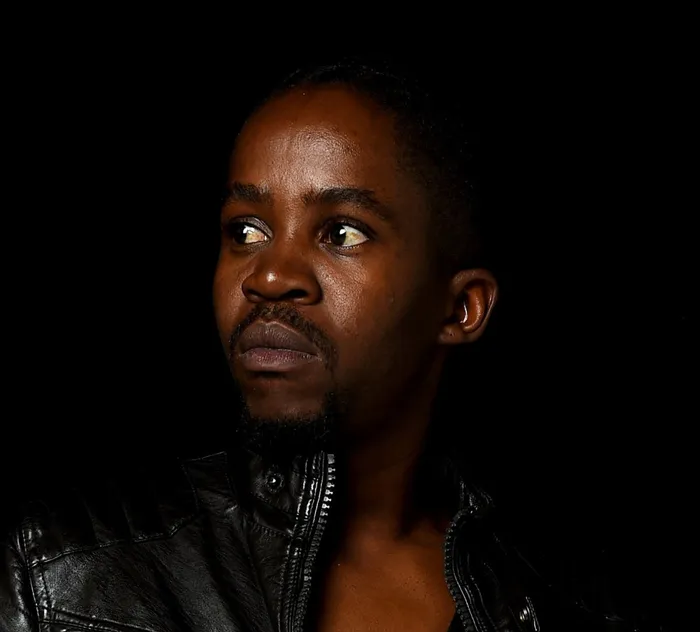
Rabbie Serumula, author, award-winning poet, journalist.
Image: File
He did not arrive in Parliament as a man dragged there by force.
Weeks earlier, in London, Paul O’Sullivan had been weighing his options. He had read the reports. He knew the Ad Hoc Committee was considering subpoenaing him. He did not like the idea of being compelled to appear, of being summoned like a reluctant witness. So he made a decision that, in his mind, preserved a measure of control: he would come back on his own terms.
And so, he returned because he chose to face the music in person. Or to skip the song if he didn’t like it. And this week, he hated the tune coming from the Ad Hoc Committee.
The questions grew sharper. The patience in the room thinned. At some point, something shifted in him. He rose slowly from his seat like an old man who has learned that standing up takes intention. His hands pressed against the desk for support. His shoulders straightened. Age showed in the deliberate way he moved, in the careful adjustment of his jacket, in the steadying pause before his first step. It was the posture of someone who has spent decades in boardrooms and courtrooms, someone accustomed to walking out on his own terms.
But this was Parliament. And Parliament does not belong to one man’s timetable.He said he had a flight to catch. That he needed to leave. The explanation landed flat in a room that had set aside time, resources and authority to hear him. If there was a plane waiting, the committee had not been warned in advance. No prior indication that his appearance came with an expiry time. No clear understanding that accountability would be squeezed between boarding calls.
It is here that the criticism settles. Because choosing to appear voluntarily is one thing, walking out when the questions become uncomfortable is another.
If he knew he had a departure deadline, why not state it clearly from the start? Why not ask to be excused formally?
Instead, MPs, including the MK Party’s David Skosana and EFF leader Julius Malema, attempted to block his departure. Skosana went as far as physically standing in front of the door to prevent O’Sullivan from leaving, insisting the process could not simply be abandoned midstream. The scene became awkward, tense, a standoff between parliamentary authority and personal urgency.
For a man who returned to avoid the indignity of a subpoena, the exit risked creating a different kind of spectacle. Control, once carefully reclaimed in London, seemed to slip in that narrow aisle between the benches. He had come on his own accord. He also left on it.
This was not the first time he controlled the exit. Years ago, during a live SABC interview, he abruptly hung up on the journalist mid-question when the exchange turned uncomfortable, ending that conversation on his terms too.
Whether that strengthens his position or weakens it is now a matter of public debate.