

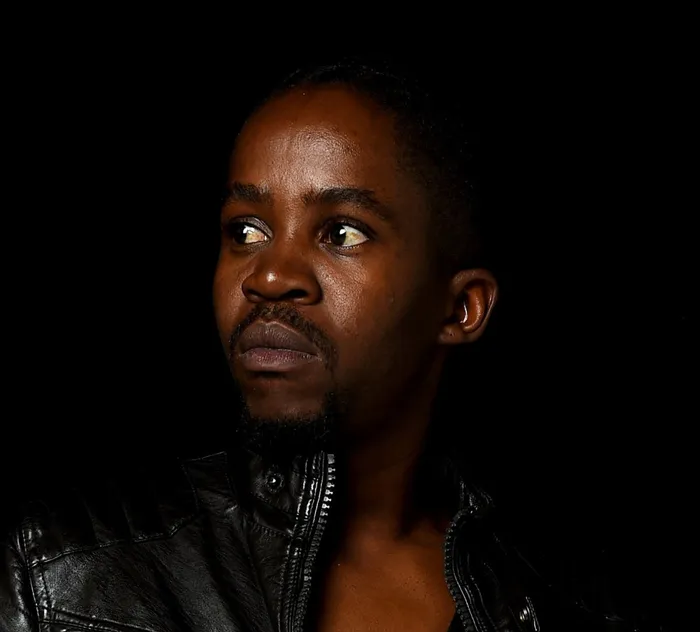
Rabbie Serumula, author, award-winning poet, journalist.
Image: File
For much of the modern era, the world moved to a familiar rhythm. Washington spoke. The rest of the world listened. Sometimes reluctantly. Sometimes angrily. But almost always with the understanding that the United States was the centre of gravity, the country that could bend markets, alliances, and wars to its will.
This week, two seemingly unrelated moments suggested that the centre is beginning to shift.
The first unfolded quietly in Pretoria, when South Africa summoned the US ambassador, Leo Brent Bozell III, to explain remarks that the government described as undiplomatic. The Department of International Relations and Cooperation (DIRCO) issued what diplomats call a demarche, a formal protest one step short of expulsion.
The incident itself matters less than what it reveals.
The ambassador’s comments, tied to the ideological posture of US President Donald Trump and his America First doctrine, were delivered with the assumption that Washington could still dictate the terms of engagement. DIRCO Minister Ronald Lamola responded with a simple reminder: South Africa decides its own laws. It was a small diplomatic skirmish, but it spoke volumes.
The second moment came far from Pretoria after US strikes and the collapse of yet another ceasefire. Iran’s foreign minister delivered a message that would once have been unthinkable. Instead of scrambling to negotiate under the shadow of US power, Tehran calmly refused another pause in the bombardments.
The reasoning was blunt: every previous ceasefire had simply given Washington time to rearm and strike again. So Iran chose a different strategy: endurance.
The logic is simple. If you cannot overpower a superpower, make the war too expensive for it to continue. This is not the behaviour of a country that believes the US still holds absolute control over the global chessboard. It is the behaviour of a state betting that the board itself has changed. And perhaps it has.
Across the world, middle powers are quietly recalculating their alliances. This is particularly visible across the Global South with the steady expansion of BRICS to new trade corridors linking Asia, Africa and the Middle East.
Gulf states are hedging their bets. European governments are pushing back on Washington in ways that were rare a decade ago.
None of this means that the US has ceased to be powerful. Far from it.
But power is not only about strength. It is about perception. For generations, the world behaved as if the US were the sun around which all political planets orbited.
Now those planets are beginning to test their own gravity.
South Africa is pushing back against diplomatic pressure.
Iran is refusing to negotiate on Washington’s timetable.
Regional powers quietly building new networks of cooperation.
Individually, these are small moments. Together, they suggest something larger.
The US may still be the biggest player in the room. But it is no longer the unquestioned centre. And once that illusion fades, it rarely returns.
The old order worked like a tide pulling everything toward a single shore. Now the waters are moving in different directions. The question is no longer whether the world will follow Washington. The question is whether Washington has noticed that the world has already started walking elsewhere.