

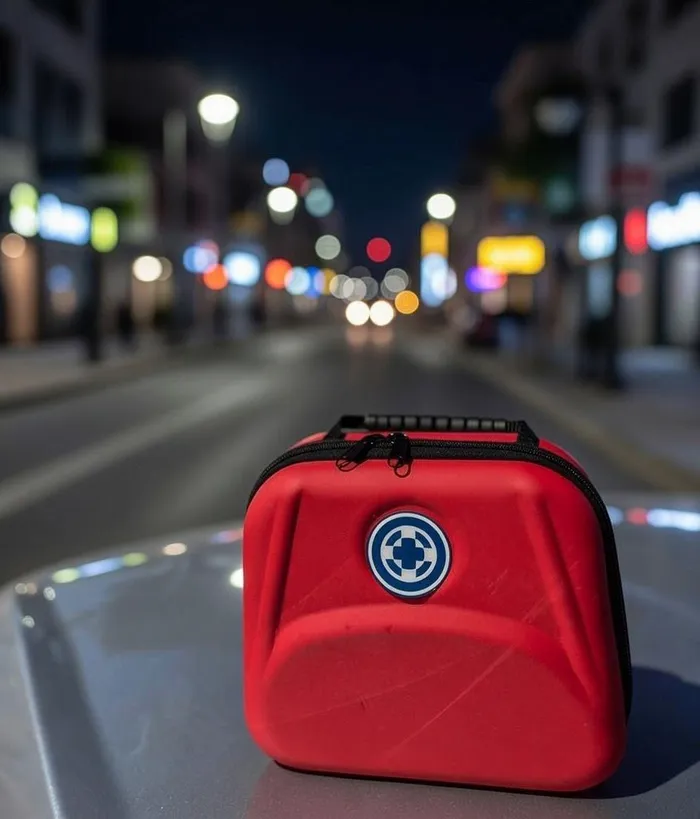
Easter travel is here, make sure you’re prepared with these 5 must-have items for a safe journey.
Image: Supplied
As Easter weekend approaches and schools close for the holiday break, many South Africans will hit the road to visit family or go on holiday. Unfortunately, this period is one of the deadliest on South African roads. The Road Traffic Management Corporation (RTMC) consistently records hundreds of fatalities over just four days during Easter.
MasterDrive CEO Eugene Herbert says the focus should be on practical, road-specific tools that can prevent accidents. “What often does not get enough attention is the practical, road-specific tools that can make the difference between a close call and a tragedy. As you prepare for your Easter trip, ensure you have these five essentials packed,” he advises.
Tyre blowouts are a major cause of accidents, especially along the N1, N2, and N3 during peak periods. “Many drivers assume their tyres are in good condition simply because they look fine or because the tyre pressure monitoring system has not issued an alert. Yet, a tyre can be dangerously underinflated without showing visible signs. Filling station gauges are often unreliable. An inexpensive pressure gauge, used before departure and checked regularly, can make a critical difference. It costs far less than the consequences of neglect,” Herbert explains.
Cell signal can drop in areas like the Hex River Mountains, the Drakensberg foothills, and long stretches of the Eastern Cape. Herbert warns: “When it does, drivers unfamiliar with the route make sudden decisions. Unexpected U-turns, last-minute lane changes, or stopping on the shoulder are common crash triggers. A downloaded offline map keeps you navigating confidently through dead zones.”
A flat tyre on a busy holiday route isn’t just inconvenient - it’s dangerous. “Many newer vehicles no longer have a spare wheel, and waiting for roadside assistance on a public holiday can take hours. A can of tyre sealant or a compact 12V compressor can change that. If you have a ‘biscuit’ spare tyre or run flats, read the owner’s manual to understand the limitations and do not exceed them,” Herbert advises.
These items are legally required but often missing. Herbert says: “If you need to stop in an emergency, these items are essential for visibility, especially at night. Place the triangle at least 30 metres behind your vehicle on highways to give drivers plenty of time to react.”
Ensure your devices are fully charged in case of an emergency. “Reserve a power bank solely for the road. Alternatively, ensure you have a working charging cord that suits the vehicle’s charging port,” Herbert recommends.