

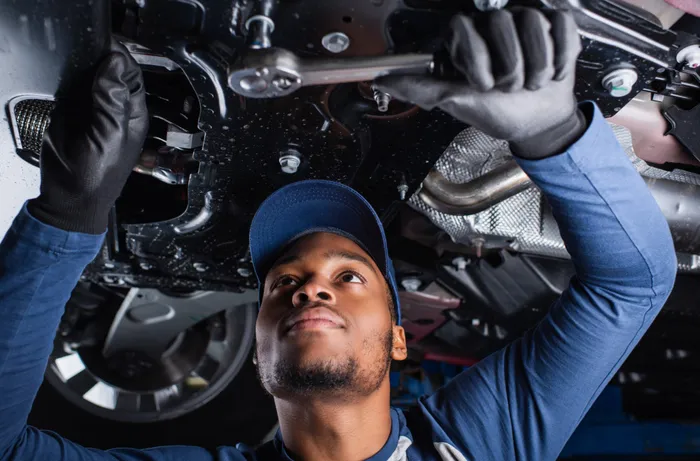
On-demand mechanics and mobile car repair services are growing rapidly in South Africa.
Image: File
South African motorists, squeezed by rising petrol prices and repair costs, are increasingly bypassing traditional workshops in favour of on-demand mechanics that come to their homes or workplaces. The trend mirrors global shifts in vehicle servicing, as digital platforms connect independent mechanics directly with customers and reshape routine car maintenance.
The mobile vehicle repair market is projected to grow from USD 4.27 billion (R70bn) to R108bn by 2030, expanding at close to 9% annually, as operators worldwide respond to rising demand for convenience and preventative maintenance.
The appeal is moving beyond emergency breakdowns. Drivers are proactively requesting preventative care or addressing early-warning issues - including overheating, auto-electrical diagnostics, scheduled services, and brake replacements - before they escalate into costly repairs.
The shift is also unfolding amid rising cost-of-living pressures, with motorists increasingly sensitive to fuel prices, repair costs, and time lost to long workshop delays. Platforms that offer upfront pricing, reduced downtime, and digital booking are gaining traction as consumers seek greater predictability.
As mobile servicing expands, Dikgale emphasises that convenience does not come at the expense of quality. Mechanics undergo identity verification, criminal background checks, trade certification verification, and professional registration confirmation. Customers receive mechanic details and ratings in advance, while digital job tracking and service monitoring maintain accountability throughout.
The model is also reshaping the economics of vehicle servicing. "Customers benefit from upfront pricing, digital booking, and service at their home or workplace - significantly reducing downtime and the hidden costs of towing, waiting, or taking time off work," Dikgale said.
For independent mechanics, these platforms provide access to a wider customer base and more consistent demand. "Skilled technicians who previously struggled to find consistent work can now connect directly to a steady stream of demand, earn more predictably, and operate with greater independence - while still benefiting from the credibility and technology infrastructure provided by the platform," she added. Analysts suggest that as the sector expands, it could also help formalise portions of South Africa’s fragmented independent repair market.