
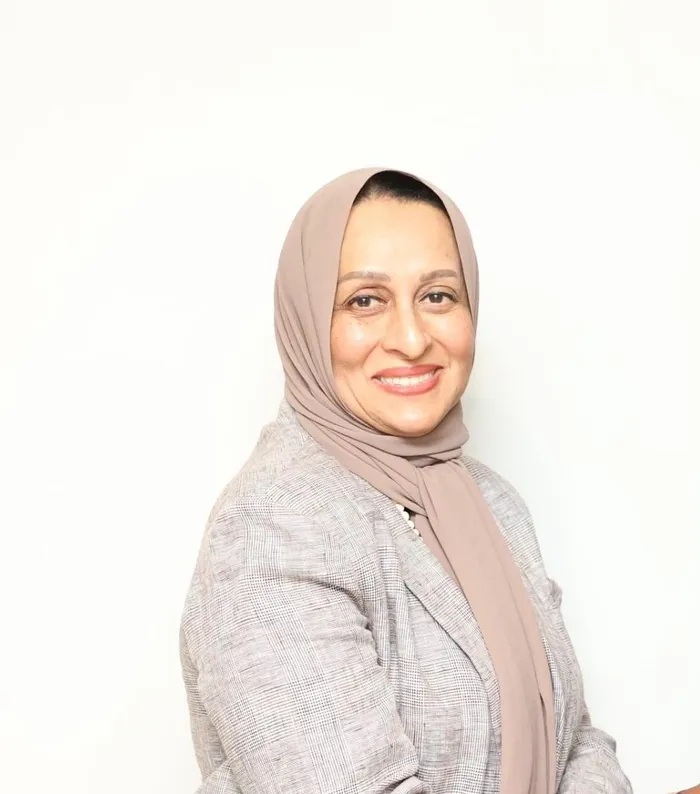
Shenaaz EL-Halabi, WHO South Africa Country Representative
Image: Supplied
Access to quality, affordable health services is a fundamental human right. It is also a cornerstone of sustainable development and resilient health systems. The World Health Organization (WHO) has long advocated for Universal Health Coverage (UHC) as an overarching goal to achieve the Sustainable Development Goal number 3, “Ensure healthy lives and promote well-being for all at all ages”. UHC means that all individuals and communities receive the good quality health services they need covering health promotive, preventive, curative and rehabilitative care without suffering financial hardships.
South Africa is on the path towards reforming the health system for the achievement of UHC through the implementation of the National Health Insurance (NHI) Act. In the context of South Africa, the discussion around the NHI Act has stirred a healthy national debate on the future of health care and private healthcare provision in general and financing through medical aids or health insurance in particular. It is expected and appropriate that such a transformative reform is met with close scrutiny and passionate views from all sectors of society, especially the private health sector. While WHO does not comment on the specifics of national policy decisions, we continue to strongly support the goal that underpins the NHI Act: to advance universal access to essential health services and reduce health inequalities.
South Africa, like many middle-income countries, has made significant strides in expanding access to care. According to data available to WHO, the Universal Health Coverage (UHC) Service Coverage Index has improved steadily from 2000 to 2021. Globally, the index increased from 45 in 2000 to 68 in 2021. In the WHO African Region, it rose from 23 in 2000 to 44 in 2021. South Africa progressed from 43 in 2000 to 71 in 2021. However, these overall figures conceal underlying inequities. The UHC Index is a composite measure based on four domains of tracer indicators: reproductive, maternal, newborn and child health (RMNCH); infectious diseases; non-communicable diseases (NCDs); and service capacity and access.
The health system remains marked by inequities. While the private sector provides highly accessible health care services to a minority of the population (approximately 15%), the public sector on which the vast majority (approximately 85% of the population) of South Africans depend often struggles with challenges such as infrastructure gaps, workforce shortages, and variable quality of care. These disparities result in unequal health outcomes and undermine the country's progress toward the Sustainable Development Goals (SDGs). Another form of inequity is evident from the health expenditures where the private sector spends close to 51% of the total health expenditure for the smaller number of beneficiaries than the larger population that depends on the public health facilities.
We have to understand though that UHC is not about public versus private. It is about ensuring that the health system regardless of who provides the service is designed to serve the entire population equitably, efficiently, and sustainably. It is about ensuring healthy lives and promoting well-being for all at all ages. It requires sound and equitable health financing systems, robust governance, well-trained health workers, accessible medicines and technologies, and reliable health information systems. WHO’s global framework for health system strengthening provides evidence-based pathways that Member States can adapt to their own contexts.
At the heart of UHC lies primary health care (PHC), the most inclusive, equitable, cost-effective, and efficient approach to enhancing people’s physical and mental health. PHC is not just about clinics and doctors; it is about communities, prevention, health promotion, and addressing the social determinants of health. A strong PHC foundation ensures continuity of care, has robust and functional referral systems, fosters trust in the system, and improves population health.
Countries that have made measurable progress toward UHC have done so by building social solidarity, ensuring strategic purchasing of services, and investing in public health leadership and accountability. Thailand, Rwanda, and Costa Rica are examples where incremental but sustained reforms have transformed access to care.
South Africa’s NHI process is an opportunity to design a health system that serves everyone, not just some. It is a chance to reinforce the constitutional right to health and to create a more resilient system that can respond to both everyday health needs and public health emergencies. It is also a platform to address the needs of vulnerable populations, including migrants, informal workers, people living with disabilities, and rural communities.
As WHO, our role is to provide neutral, evidence-informed technical support. We do not prescribe solutions; we partner with governments to strengthen national capacity, facilitate policy dialogue, and share lessons learned from global experiences.
We recognise the concerns raised by stakeholders. Public trust is not automatic, it is earned through accountability, transparency, and consistent delivery of results. We encourage open dialogue, constructive engagement, and collective ownership of reforms. No country achieves UHC overnight. It is a journey that requires political will, public participation, and institutional readiness.
South Africa stands at a pivotal moment. The global commitment to UHC, reaffirmed at the United Nations General Assembly in 2023, is not only a target; it is a principle that places people at the center of health systems. In a world facing intersecting challenges from pandemics to climate change and rising inequality UHC is a unifying vision that can drive transformation.
WHO remains committed to walking this journey with South Africa. We will continue to support government efforts to expand access, improve service quality, and ensure financial protection. We will stand with the health workforce, communities, and partners to build a health system that delivers for all.
Disclaimer:This op-ed reflects the World Health Organization’s global commitment to Universal Health Coverage and the right to health. It is intended to inform national dialogue and does not represent a position on any specific national legislative instrument.