

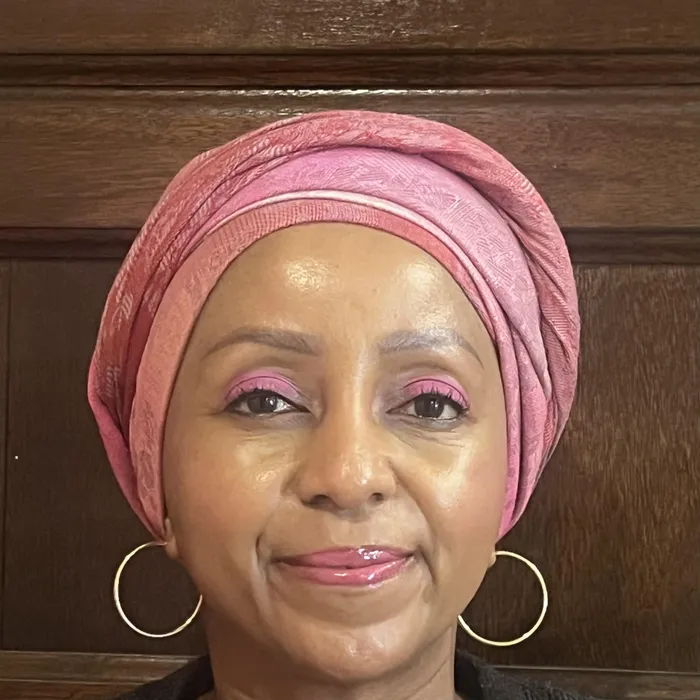
Nthabiseng Dhlamini, communicator at the National Department of Water and Sanitation.
Image: Supplied
As a Communicator in the national Department of Water and Sanitation (DWS), I have the privilege of seeing firsthand how our work affects people’s lives.
From 16 – 22 November 2025, the department marked the International Fraud Awareness Week held in Tzaneen, Limpopo.
Sitting throughout the weeklong sessions, I have noticed the department’s commitment to the fight against corruption not just as a compliance exercise, but as an effort to instil moral obligation for the employees to provide basic water and sanitation services that are free from corrupt practices of mismanagement of government’s resources.
DWS has not been immune to corruption and this is public knowledge. Corruption has serious implications as it translates into dry taps, unfinished projects, water shortages, and communities losing trust in government.
However, DWS has turned the tide by achieving an unqualified audit opinion, also known as a "clean" opinion on the financial statements in recent years, including for the 2023/24 financial year. This shows a significant improvement from its past performance and although the financial statements were reliable, the department had compliance issues and control deficiencies that needed to be addressed.
This is exactly why the fraud awareness campaign is essential for the employees to provide guidance, education on ethical conduct, fraud prevention and accountability.
Many of the employees, especially on construction sites, often operate under pressure, with limited exposure to compliance and governance training. They sometimes do not even know that certain practices are risky or unethical because no one ever taught them.
One of the most important topics addressed during the sessions was the issue of signing off on behalf of someone else. This common practice, although done with good intentions, is dangerous and can place an innocent employee at the centre of a serious corruption case.
For many officials, this was eye-opening. The campaign was about prevention and not punishment – it was about education. The department’s effort to bring fraud awareness to Limpopo, especially through physical engagement, shows responsible commitment.
The department will continue to equip its employees with knowledge and is actively working to fix the challenges related to malpractices. This initiative will not only benefit the department but will also benefit the public because when corruption decreases, service delivery improves.
Nthabiseng Dhlamini, Communicator at the National Department of Water and Sanitation.