

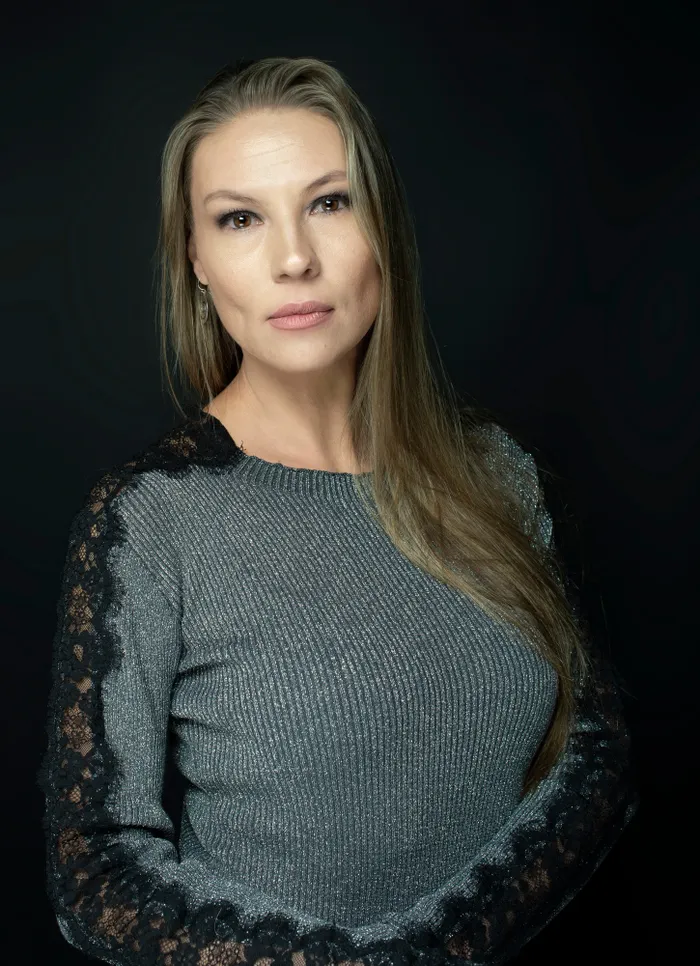
Kerry-Anne Allerston
Image: Supplied
In the heart of Pretoria, on Thursday evenings that feel more like celebrations than ordinary weekday nights, something pretty special takes place. Music rings through the air, poets gather with notebooks, visual artists set up their creations and strangers become friends before the sun has even set. This is Black Labone, a weekly creative gathering that has grown from a simple idea into one of the city’s most treasured cultural movements.
To understand its magic, you have to go back to the days of Uhuru wa Maisha, Capital Arts Revolution, Live and Direk, MoonBox Sessions, Poetoria and countless other artistic spaces that once coloured Pretoria’s creative landscape. These events burned brightly but often briefly, leaving lasting marks but sometimes fading before they could reach their full potential. The founders of Black Labone wanted something different. They wanted a space that could withstand time, a home that artists could rely on week after week, year after year.
The idea was simple but powerful. Create a consistent and welcoming platform where poets, musicians, visual artists, film-makers and thinkers could come together, express themselves and feel safe doing so. It took years to refine the vision and even longer to launch officially. By the time the very first Black Labone session took place in 2017, the promise had already been made. The team would run the movement for ten years, then review and possibly continue for another decade. Longevity, not fleeting hype, was the goal.
From the beginning, Black Labone placed community at the centre of everything. The organisers believed that creativity thrives where people feel they belong and that culture grows when everyone is invited to participate. Week after week, the audiences proved this to be true. People from across the city and even from abroad, gathered not only for the performances but also to connect, collaborate, volunteer, curate, teach, learn and share.
Black Labone became known as a place where nationality, background, gender or identity made no difference at all. Everyone arrived as strangers and left feeling part of something meaningful.
One of the most defining moments in the story of Black Labone came when it moved from the African Beer Emporium to the South African State Theatre. The African Beer Emporium had been a cultural home filled with warmth and creative freedom. When it closed, the shift to the national theatre felt both exciting and intimidating. There were concerns about creative autonomy, concerns about space and crowd management and concerns about how the theatre would respond to such a vibrant and unconventional gathering. Nothing quite like Black Labone had ever existed within those walls.
The early months brought challenges, including staffing shortages and stretched resources, yet the movement pushed through. Soon the theatre began to buzz with unexpected energy every Thursday evening. Week after week, four hundred to six hundred people filled the space and on special nights the numbers came close to one thousand. The move elevated Black Labone, strengthening its profile and giving artists access to professional theatre infrastructure. It also introduced a new audience of young, vibrant and culturally hungry visitors to the State Theatre.
Among its many highlights, none shine brighter than the annual Black Labone Earthday. What began as a birthday celebration has grown into a full on cultural festival that attracts thousands. This year marked the eighth edition and featured more than one hundred artists performing across four stages. The festival has become a pilgrimage for the extended Black Labone family, a beautiful tribute to its impact on culture, creativity and community.
Black Labone has also collaborated with major festivals such as Access Africa, Capital Craft Beer Festival, Smoking Dragon, Catch a Fire and Mieliepop. Whether offering curatorial support, live performance infrastructure, community engagement or programming expertise, the movement has become a trusted cultural partner with deep roots in its community.
The journey has not always been easy. In the early days, the organisers worked with almost nothing. There were moments when events were hosted with a single microphone, one speaker and a camping torch for light. What carried them through was resilience, collaboration and an unwavering belief in the value of what they were building. Over time, the movement formed strong relationships with artists, festivals, volunteers, brands, nine to fivers, industry professionals and loyal supporters who helped shape it into the thriving cultural force it is today.
Perhaps the greatest secret to Black Labone’s success is that it sees itself not as a business but as a caretaker of a living cultural movement. The team plans for the future but stays grounded in the present. They adapt to the space, the community and the resources available. They avoid unnecessary pressure and instead prioritise sustainability, intention, consistency and collective awareness.
As the year draws to a close, the theme of the past twelve months, The Pilgrimage, has guided the way. It encouraged the team to return to their roots, reassess their purpose and plant seeds for what comes next. New collaborations are already taking shape, including links with A BillionSauls Summer, Spotify Wrapped Festival and several forthcoming poetry and acoustic events. Strengthened partnerships with major festivals continue to expand the movement’s influence and build organisational capacity.
There’s much more ahead for Black Labone. The hope for the coming years is simple. Continue nurturing community centred programming, deepen partnerships, expand collaborative networks and introduce even more multidisciplinary artistic offerings.
Black Labone has come far from its humble beginnings with one microphone and a camping torch. There is still a long journey ahead, but as the organisers often say, they are here now and the journey continues. What these caretakers have built and continue to build, is nothing short of extraordinary.
Long live the Black Labone movement.
A special thank you to Henk van der Schyf, Izah Kutsh and all the creatives who continue to back live culture, support local talent and collaborate for good.
Black Labone House Band featuring Agasi – Nilotic-Tribute to Fela Kuti
Skeleton Blazer – High Grade
Rorisang Sechele – Kgale
Iphupho L’ka Biko – Sobukwe noBiko
Flex of He n I – Queen a Time
Rivoningo – God is a Woman
Sereetsi & The Natives – Petere
Origin Musiq – Lumelang
Mpho Sebina – Tjuele
Yullender – Uvalo
Jeremy Earth – California
Zoe Modiga – Abantu