


Jeanette Hunter is the Deputy Director General for Primary Health Care.
Image: Supplied
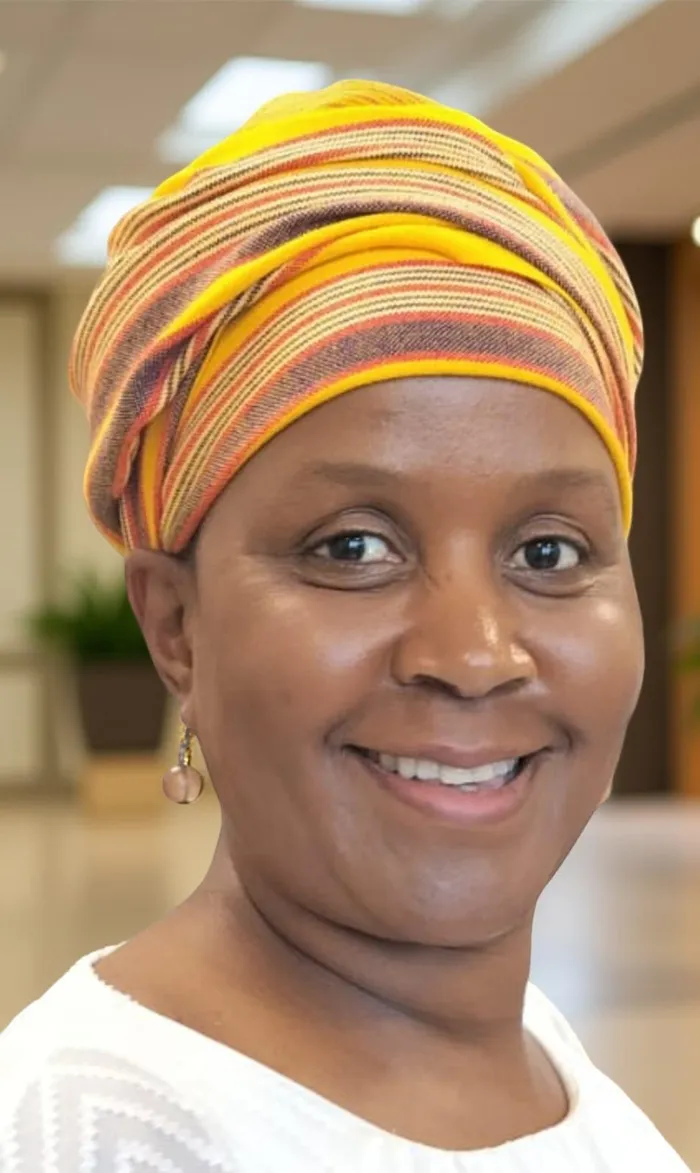
Lorato Mahura is Manager for Tobacco Control Unit in the Department of Health.
Image: Supplied
The Eleventh Conference of the Parties (COP11) to the WHO Framework Convention on Tobacco Control has ended, and once again the world witnessed how powerful commercial interests can derail public-health progress. Yet COP11 also showed something else: South Africa is ready to lead, but only if we refuse to let delay tactics win again.
South Africa’s delegation, made up of officials from the National Department of Health, the Permanent Mission in Geneva, and experts from institutions such as the Africa Centre for Tobacco Industry Monitoring and Policy Research (ATIM) and the Research Unit on the Economics of Excisable Products (REEP), reflected a strong and credible commitment to protecting public health. It was a delegation designed for effective diplomacy and evidence-based negotiation.
But much of the week’s work was overshadowed by a familiar pattern - industry-aligned obstruction.
Throughout COP11, a small but strategic group of Parties questioned scientific consensus, exaggerated economic myths about tobacco, and pushed for procedural manoeuvres that delayed decision-making. Their positions echoed industry narratives with uncanny precision.
These efforts succeeded in pushing some important agenda items to COP12. And this is where we must be blunt: delays in tobacco control cost lives. Every month without stronger regulation means more addiction, more disease, and more families burdened by preventable deaths, currently estimated to be over 30 000 annually in South Africa.
For South Africa - a country where tobacco-related illnesses already strain a fragile health system - delay is not an abstract diplomatic concern. It is a real-world public health threat.
One of the most significant developments at COP11 was the growing mobilisation of young people from across Africa, including South Africa. These youth leaders made it clear they are no longer willing to be treated as passive subjects of policy.
Their call for a dedicated “Youth COP” is smart, timely, and necessary.
Young people today are targeted relentlessly by e-cigarette and other nicotine products’ marketing. Flavours, social-media influencers, and sleek devices are all part of a deliberate strategy to recruit a new generation of users. The youth understand this better than anyone, because it is happening to them.
South Africa has a responsibility not only to listen to these voices, but to elevate them as equal partners in shaping national and global tobacco policy.
Back home, Parliament is considering the Tobacco Products and Electronic Delivery Systems Control Bill. Predictably, the tobacco and nicotine industry is pushing a narrative that e-cigarettes and similar products are safer alternatives - even “solutions” to smoking.
This narrative hides a dangerous contradiction.
Yes, some adult smokers may switch to e-cigarettes, but the industry’s marketing does not target only smokers. It targets young people and non-smokers with flavours, colourful packaging, and online influencers. As a result, South Africa has seen a rapid rise in youth experimentation with these products while tobacco smoking has also increased.
A product cannot claim to reduce harm while simultaneously creating new addiction.
And at present, South Africa’s e-cigarette market is almost entirely unregulated. There is:
“Smoke-free” does not mean “risk-free”. Until these products are regulated with the same seriousness as cigarettes, the public remains vulnerable.
COP11 reminded us that progress is possible, but only when countries stand firm against industry interference. For South Africa, the path forward is clear:
South Africa played a constructive role at COP11. Continued collaboration with other African countries is essential to counter cross-border industry influence.
While diplomatic delays may appear technical, their impact is brutally real. Every day without stronger regulation represents yet another opportunity for the tobacco and nicotine industries to addict young people, distort public debate, and profit from disease.
COP11 showed us the challenge. Now South Africa must show courage.
It is time to refuse further delays, refuse distraction, and insist firmly that the health and future of South Africans cannot be negotiated away.
Jeanette Hunter is the Deputy Director General for Primary Health Care, Lorato Mahura is Manager for Tobacco Control Unit in the Department of Health.