

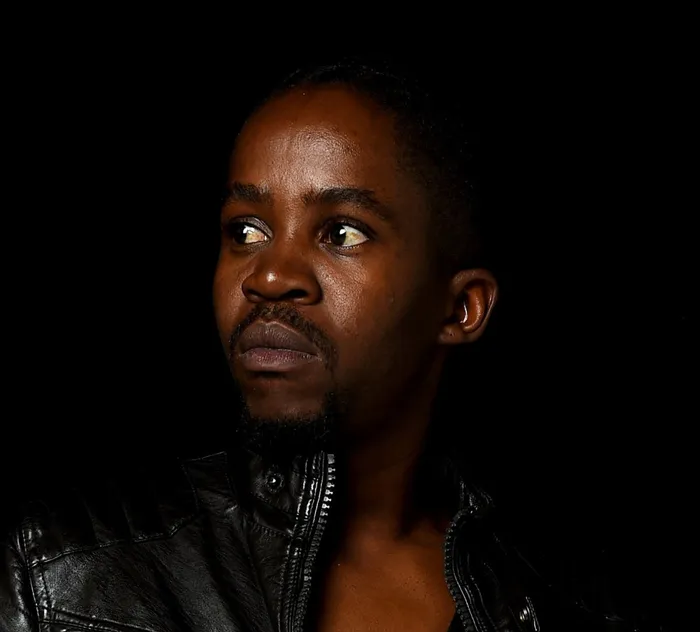
Rabbie Serumula, author, award-winning poet, journalist.
Image: File
Johannesburg’s inner city has always been a place of stories, some of hope, many of heartbreak. The murder of DJ Warras this week was a bloody spotlight on the underside of urban decay and the unfinished business of post-apartheid South Africa.
What it revealed, if we choose to read between the gunshots and soundbites, is a collision of crime, capitalism and political calculation.
Warrick “DJ Warras” Stock was on the front lines of an ugly, lucrative contest for control of Johannesburg’s hijacked buildings; properties stripped from owners by organised crime syndicates and turned into shadow economies, unregulated, untaxed, and terrifyingly profitable.
In this world, when buildings decay, the rot generates cash, and where there’s cash, someone will find a way to take a cut.
But here’s the twist that shouldn’t surprise us: in this murky ecosystem of building hijackings, it isn’t only criminals and owners battling for property rights. Rogue security companies have slithered into the fray, offering their muscles to those who will pay. Shadow outfits that are barely distinguished from the very gangs they claim to oppose strike deals with hijackers themselves.
Protection fees, revenue splits with owners, blurred lines between legitimate security and hired thuggery. This is the underbelly that DJ Warras tried to confront, and it is what likely cost him his life.
And that, of course, is where politics enters: because moments of violence and crisis are rarely allowed to exist in isolation. They are hauled onto the political stage, dressed up, and wielded like blunt instruments.
In Johannesburg, ActionSA’s Herman Mashaba positioned Warras’s death as evidence of a city and a nation in urgent need of his leadership. He spoke of war on criminal syndicates and “thugs” who “declare war” on law-abiding citizens, reframing a crime story into a political manifesto.
Not everyone bought the narrative.
The EFF accused Mashaba of weaponising Warras’s murder for electoral leverage, of turning a targeted killing into a campaign slogan. In our public discourse, even grief can be hijacked.
This same phenomenon plays out on the global stage. Just this week, the Trump administration, still stoking its controversial Mission South Africa refugee initiative for white Afrikaners, accused Pretoria of “harassing” US government officials working with Afrikaners and even doxxing staff.
Washington threatened “severe consequences,” framing South Africa’s lawful enforcement of immigration and labour rules as unacceptable aggression. Pretoria rejects the charges and insists its actions were strictly legal.
The stagecraft here is familiar: a tragedy or dispute arises, and politicians enlarge it, cast it, repurpose it.
Locally, a man’s murder feeds a narrative about lawlessness and leadership; internationally, immigration and diplomatic tensions become proof of ideological persecution. In both cases, the real human stories of a man killed in the pursuit of safer streets, of officials caught up in bureaucratic crossfire, get eclipsed by the larger political narratives they are made to serve.
But if we strip away the spin, two truths remain: crime pays when the state cedes space to shadow economies, and politics profits when death and fear are turned into platforms.
Perhaps the hardest lesson of all is that violence in our cities and tensions on our borders are not just law-and-order problems. They are reflections of how power, whether in the hands of criminal syndicates or political operatives, always finds a way to turn crisis into currency.