

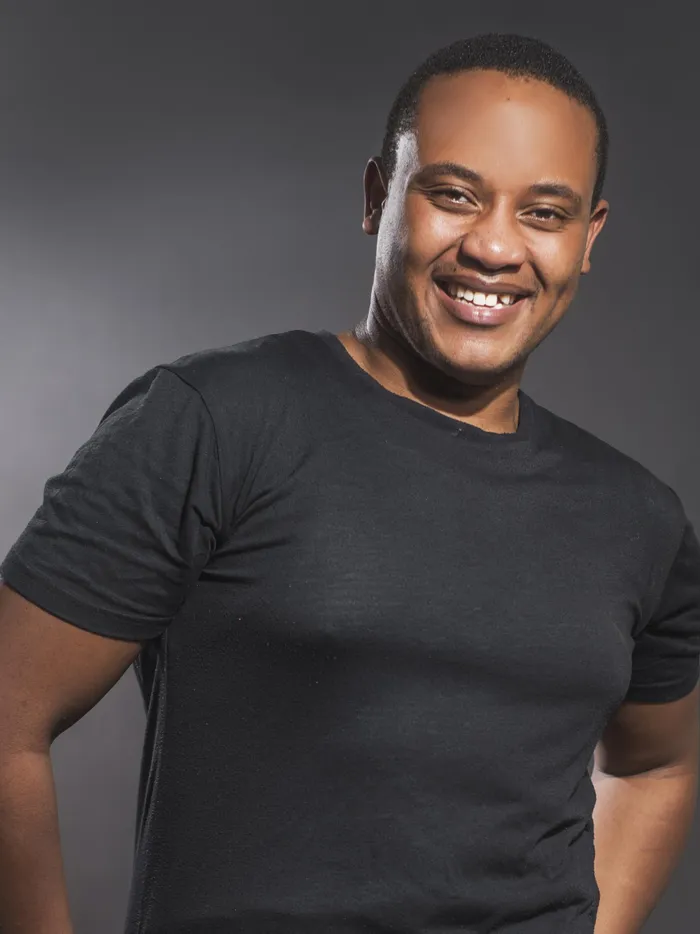
Sanele Sibiya, head of culture at Reddam House Helderfontein
Image: Supplied
The creative arts are essential for a child's overall development. They help with growth in the mind, body, and spirit. In the twenty-first century, technology continues to change how we live and work. Still, the creative arts are crucial in combining human creativity with a digital world that keeps evolving. At schools like Reddam House Helderfontein, this belief is part of the curriculum from Early Learning to College, where students participate in a wide variety of drama, dance, music, and visual arts.
Creative arts learning constantly stimulates the mind. Whether playing an instrument, preparing a performance, or learning visual art techniques, students develop discipline, problem-solving skills, creativity, and the ability to put theory into practice. In our classrooms, this mental growth is supported with a broad cultural curriculum. Younger students focus on gaining foundational life skills through the arts. Older students create original choreography, stage plays, curate exhibitions, and deliver music performances. This progression is crucial in an AI-driven world where creativity faces new challenges. It helps develop confident young artists capable of critical thinking and personal expression.
In a future influenced by artificial intelligence, these creative skills become even more important. As AI takes over regular and technical tasks, global research indicates that the workforce will rely more on human abilities that algorithms cannot copy: creativity, emotional intelligence, divergent thinking, adaptability, and the ability to generate original ideas. Creative arts education builds exactly these skills. Students learn to envision possibilities, find meaning, express identity, and innovate – skills that position them as leaders and collaborators in an AI-focused world. Instead of devaluing the arts, AI enhances their importance. Society will depend on individuals who can design, curate, humanise, and creatively guide technology. A robust arts curriculum prepares students with these essential skills for the future.
The arts also support the body (practical application), contributing to the second aspect of holistic development. Practical activities require time management, project planning, and sustained effort. Through singing, movement, and play, Early Learning students build essential motor skills. In Senior Primary, students enhance their practical knowledge and extend their learning through extra-curricular activities like marimbas. By the time they reach college, students showcase their artistic growth through events such as house plays, dance soirées, and music soirées, gaining valuable experience in performance, teamwork, and creative execution. These experiences in coordination, teamwork, and physical awareness reflect the needs of real-world creative industries, where AI acts as a tool to enhance, not replace, human expression.
The final aspect, the spirit, represents a child’s personal investment in learning. Artistic growth demands perseverance, passion, and self-motivation. This is promoted through supportive, specialised teaching, private lessons, and meaningful opportunities for personal growth. As students pursue artistic goals, they feel pride, resilience, and a deep sense of achievement. These qualities enhance both their emotional well-being and academic performance. Intrinsic human traits like motivation, courage, expression, and curiosity are irreplaceable. They will empower future adults not only to live alongside AI but also to lead confidently in a world shaped by it.
Thus, creative arts education is vital for holistic child development. It nurtures creativity, discipline, confidence, and a strong sense of accomplishment. It prepares students for a future where human creativity is one of the most valuable assets. At Reddam House Helderfontein, we see daily how a commitment to artistic excellence helps students develop into well-rounded individuals ready to succeed both within and beyond the creative field, capable of shaping a world where art and technology work together.
About Sanele Sibiya
Sanele “Sunny” Sibiya is Head of Culture and Head of Dramatic Arts at Reddam House Helderfontein.