

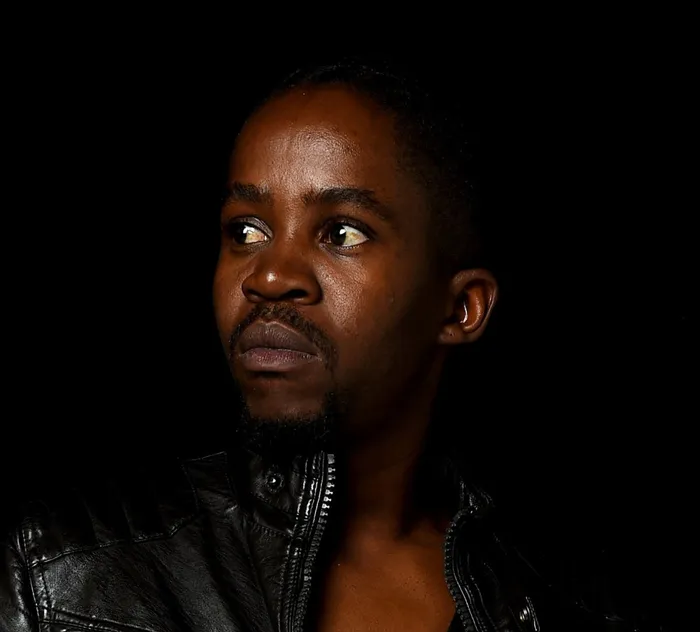
Rabbie Serumula, author, award-winning poet, journalist.
Image: File
Sit with me for a moment. Because something happened this week that arrived with a quiet certainty.
At the United Nations General Assembly, the world did something it has long avoided: it named the transatlantic slave trade for what it was, the gravest crime against humanity, and opened the door, however cautiously, to reparative justice.
On paper, the resolution speaks about reparations for slavery, about historical wrongs, about justice delayed. But if you read closely, if you listen between the lines, it is something else entirely.It is the sound of a door, long closed, beginning to move.
Now, not everyone stood on the right side of that moment. The United States and Israel were among those who opposed it. And you can almost understand why. Because to accept this truth fully is to accept that the world, as it stands, is not accidental. That Africa’s poverty is not a mystery. That its struggles were engineered, sustained, and then explained away. And once you accept that… everything must change.
But here is the thing, I am not angry as I say this. Not in the way we used to be. This feels different.It feels like watching a prophecy unfold.
For years, we have spoken about Africa rising as if it were a slogan, something to be defended in debates or dressed up in conferences. But what if it is not something we declare?
What if it is something that happens… piece by piece… moment by moment… resolution by resolution?
This right here, feels like one of those pieces. Not the whole machine. Not even the loudest part of it. But an essential cog turning, quietly locking into place, moving us closer to what we have always known was possible.
You see, reparations are not just about money. They never were. They are about alignment. About forcing the world to stand still for a second and admit: yes, something was taken… and yes, it shaped everything that followed.
And once that admission enters the bloodstream of global politics, it cannot be undone.That is why some resist it. Because they understand that acknowledgement is not the end of the conversation, it is the beginning of accountability.
But Africa is no longer waiting to be acknowledged.I say this carefully, because we are not perfect. We argue. We divide ourselves over borders drawn by others. We stumble over leadership, over policy, over vision. The squabbles are real. But they are small in the shadow of what is coming, because beneath all of that, something deeper is aligning. A continental memory. A shared understanding that we are not who the world said we were. We are who history tried to suppress.
And now, slowly, that history is being rewritten in real time.This resolution is not justice. Not yet.But it is confirmation that the language of Africa is beginning to shape the language of the world.
And if you’ve been paying attention, you’ll recognise this moment for what it is.