

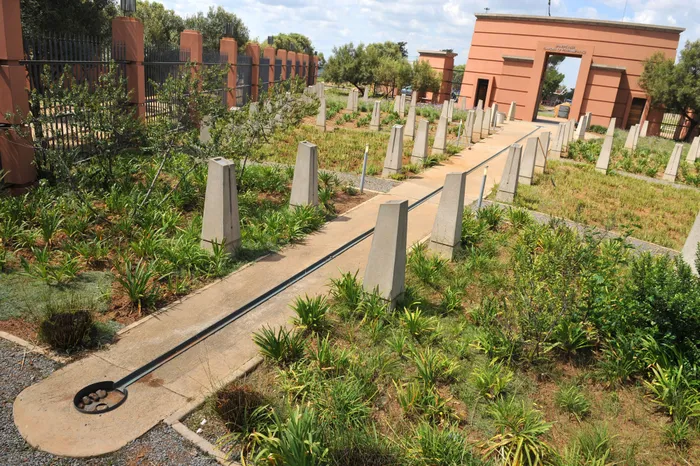
Sharpeville Human Rights Precinct is built around the exact location where the Sharpeville Massacre tragedy occurred.
Image: Antoine de Ras/System
Though the years may pass, history leaves an imprint that cannot be erased.
March 21, Human Rights Day in South Africa, serves as a poignant reminder of both the suffering endured and the strides toward betterment.
It is a poignant reminder of the tragic events of the Sharpeville Massacre, where 69 unarmed people lost their lives while protesting apartheid pass laws.
It is not only a public holiday but also a moment to reflect on dignity, equality and the freedoms enshrined in the Constitution.
As the country pauses to remember, there is no better way to honour this history than by visiting the spaces where it unfolded.
Across South Africa, museums, memorials, and heritage sites offer deeply personal and educational experiences that bring the past into the present.
These places do more than preserve history - they invite reflection, dialogue, and a renewed commitment to human rights.
As such, here are some important sites to remember.
Located in the township of Sharpeville, this memorial stands at the heart of one of the most defining moments in South Africa’s struggle for freedom.
Officially opened by Nelson Mandela, the site is often referred to as the “Cradle of Human Rights.”
The Sharpeville Human Rights Precinct is built around the exact location where the tragedy occurred.
Here, 69 pillars rise from the ground - each representing a life lost. A wall bearing the names of the victims creates a sobering and deeply emotional encounter.
Nearby, the Phelindaba Cemetery houses a memorial garden and the graves of those who were killed, offering a quiet space for remembrance.
Every year, this site becomes the focal point of national commemorations, reinforcing its significance as both a historical landmark and a sacred space.
Visiting Sharpeville on Human Rights Day allows you to stand where history changed the course of the nation.
In Durban, this museum offers an unfiltered look into the realities of apartheid, particularly the oppressive “Durban System.”
Housed in the former Native Affairs Department, the building itself is a stark reminder of how black South Africans’ lives were controlled and restricted.
Exhibits detail the enforcement of pass laws - the very laws that sparked the Sharpeville protests - while also highlighting the lived experiences of those subjected to them.
Displays on migrant labour, hostels, and restricted living conditions paint a vivid picture of daily life under apartheid.
What makes this museum particularly impactful is its accessibility.
Often free to the public, it ensures that this history remains available to all, encouraging continuous learning and reflection.
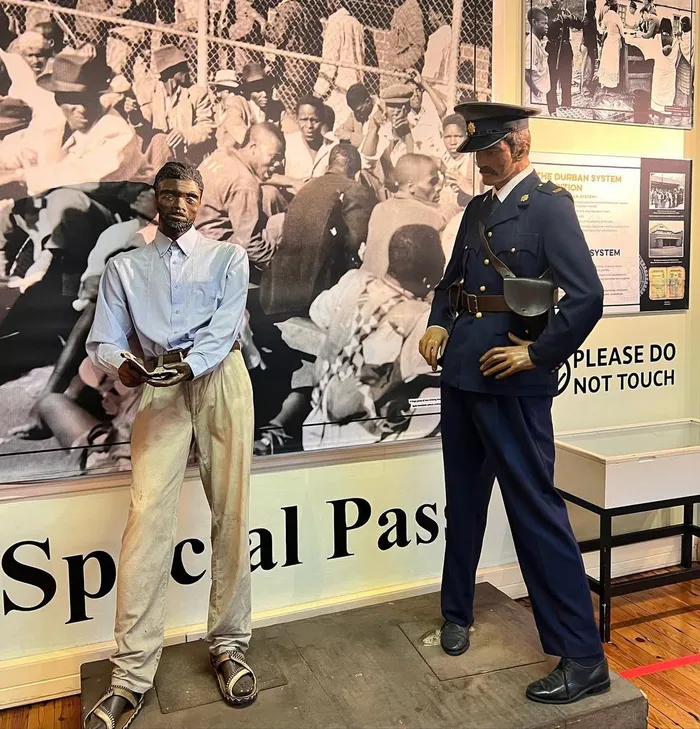
Located in the former Native Affairs Department, Kwamuhle Museum acts as a reminder of the fight for equality, making it a powerful, free educational experience.
Image: Instagram
Situated in Cape Town’s oldest township, it offers an intimate and immersive experience of apartheid’s pass law system.
The museum is housed in the original building, which once served as a pass office and police station, complete with preserved holding cells.
Here, visitors can explore the realities of the infamous “dompas”, a document that controlled the movement of Black South Africans and criminalised their existence in urban spaces.
Through personal stories, historical records, and community narratives, the museum sheds light on both oppression and resistance.
Located within the vibrant Langa Heritage Precinct, the museum also connects visitors to local culture, art, and community life.
A guided tour is highly recommended, as it adds depth and context to the powerful stories embedded in the space.
It offers a compelling look into one of Durban’s most historically significant areas.
Once a site of forced removals and violent unrest, Cato Manor tells a story of resilience in the face of systemic oppression.
The centre documents the impact of apartheid policies such as the Group Areas Act, which uprooted entire communities. It also highlights the 1959 Cato Manor unrest and honours figures like the “Cato Manor 9,” who paid the ultimate price in their resistance against injustice.
Through photographs, art, and archival materials, visitors gain insight into the social and political struggles that shaped the area. Importantly, the centre also connects past injustices to present-day challenges, including ongoing struggles for land and housing rights.
Overlooking the capital city of Pretoria, it is both a memorial and a place of healing.
Designed to honour those who contributed to South Africa’s liberation, the site offers a deeply symbolic experience.
At its heart is the Sikhumbuto memorial, featuring a Wall of Names that pays tribute to those who lost their lives in the fight for freedom, including victims of the Sharpeville Massacre.
The Isivivane, a sacred spiritual space, provides an area for reflection and connection.
Visitors can also explore the //hapo Museum, which traces South Africa’s history from ancient times to the present.
On Human Rights Day, Freedom Park often hosts special events and offers free access, making it an ideal destination for both learning and remembrance.
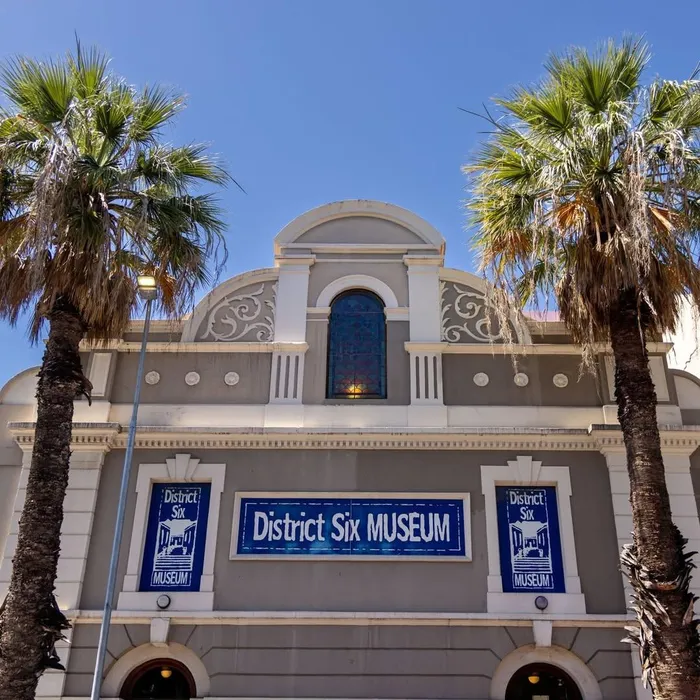
District Six Museum is an active space for dialogue and advocacy, reminding visitors that the fight for human rights is ongoing.
Image: Instagram
In the heart of Johannesburg lies Constitution Hill, a powerful symbol of transformation.
Once a notorious prison complex, it now houses the Constitutional Court - the highest court in the country.
The site’s history is deeply layered. Former inmates include political activists and ordinary citizens who were imprisoned under unjust laws.
Today, visitors can tour the Old Fort, Women’s Jail, and Number Four prison to witness firsthand the conditions of apartheid-era incarceration.
Also, Constitution Hill comes alive with the annual Human Rights Festival, featuring music, poetry, film, and dialogue.
It is a space where history meets contemporary conversations about justice, equality, and active citizenship.
Few places capture the human cost of apartheid as poignantly as the District Six Museum.
Once a vibrant, multicultural community, District Six was destroyed by forced removals that displaced over 60,000 residents.
Today, the museum stands as a testament to memory and resistance.
Through personal testimonies, photographs, and interactive exhibits, visitors are invited to engage with the stories of those who lived through displacement and loss.
One of the most powerful features is the large floor map, where former residents have marked their homes and shared memories.
This transforms the museum into a living archive of collective memory.
More than just a historical site, the museum is an active space for dialogue and advocacy, reminding visitors that the fight for human rights is ongoing.