


The number of unregistered taxi operators waiting outside terminals and charging exorbitant fares has risen sharply.
Image: Picture: Freepik
Cape Town is one of South Africa’s biggest holiday magnets. Every December, visitors fill the streets, markets and beaches, which is exactly why petty crime tends to rise at the same time.
According to the Cape Town Central City Improvement District (CCID), incidents like credit card scamming, pickpocketing, cellphone theft and chain‑snatching all see noticeable upticks over the festive period.
But don’t panic. With local insight and a bit of common sense, you can enjoy the city without giving criminals the upper hand.
To help tourists enjoy the city safely, Jurie Bruwer, manager of CCID Safety & Security, offers clear advice based on real trends.
1. Guard against credit card scams
Tourists are common targets for credit card scams, especially when paying for services at transport hubs. “Check that you are paying the right amount for the trip. Insert your card rather than tap so that you can clearly see what the amount is that is being charged,” Bruwer warns.
One scam involves drivers or vendors charging in foreign currency without your knowledge. For example, charging €300 instead of R300.
To avoid this, always insert your card yourself, check the exact amount on the machine, and never hand your card or PIN to anyone else.
This simple step can save you from a nasty surprise later.
2. Don’t get caught by unregistered taxi drivers
Reports of unregistered taxi operators targeting tourists have increased majorly. These drivers often wait outside airports and cruise terminals, offer seemingly normal fares, and then throw in dodgy charges once the ride is over.
Tip: Use official taxi ranks, rideshare apps like Uber or Bolt, or book transfers through your hotel. Always confirm the fare before you get in.

Credit card scamming, pickpocketing, theft out of vehicles, cellphone theft and chain‑snatching are the main issues that increase over the festive period.
Image: Picture: Freepik
3. Be vigilant in crowded areas
Pickpocketing and cellphone theft are more common in busy areas like Long Street, Bree Street, the Company’s Garden and around major hotels.
Overall crime in the Cape Town CBD dropped by around 34% between the 2024 and 2025 periods, with reductions in many categories thanks to increased security deployments. However, petty crimes like pickpocketing, cellphone theft and chain‑snatching still remain a concern even as larger‑scale crimes decline.
Keep your bag in front of you, and avoid pulling your phone out in heavily crowded spots.
A secure backpack worn across your chest is usually safer than a loose shoulder bag.
4. Protect your vehicle
The CCID notes that theft out of motor vehicles spikes over the festive season.
Never leave valuables on display in your car, lock the doors manually and double‑check before walking away.
Opportunistic thieves will strike within seconds if they see a phone, bag or camera on the seat.
Broader crime data for the Western Cape from the South African Police Service (SAPS) shows that, across the province, there were nearly 5000 incidences of theft out of, or from motor vehicles in the latest reporting period, even though this represents a decline compared with previous years.
5. Stick to busy and well-lit routes after dark
Just like any city, parts of Cape Town can feel quieter at night. Walking alone in dim, less busy areas increases your risk of becoming a target. Instead, choose well‑lit streets, walk with company where you can, and use rideshares or registered taxis to move around at night.
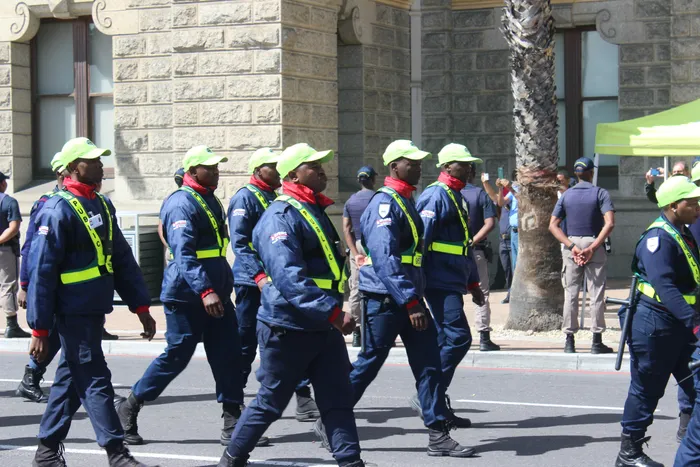
Cape Town Central City Improvement District (CCID) .
Image: Picture: Supplied
6. Avoid common scams
Tourists are sometimes approached by people asking for help with a “permit” to walk somewhere, or offering too‑good‑to‑be‑true deals.
These are almost always scams. If someone asks for money or your card to solve some random problem, politely walk away and find a CCID safety officer to assist.
7. Use official CCID safety resources
The CCID has deployed over 300 public safety officers (PSOs) in and around the Central City, especially in high‑foot‑traffic areas and identified night‑time hotspots.
They’re easily recognisable in blue uniforms with bright green CCID bibs and caps.
“We encourage anyone needing assistance to approach one of our public safety officers rather than deal with culprits directly,” Bruwer says.