

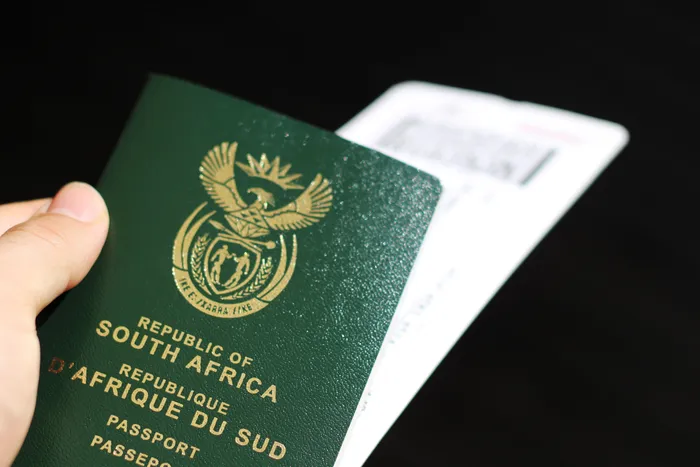
The successful PoCs demonstrated that contactless, biometric-enabled international travel is already achievable with digital identity replacing paper documentation.
Image: Supplied
The International Air Transport Association (IATA) has unveiled promising results from recent digital identity Proofs of Concept (PoCs), demonstrating that the future of international travel is on the brink of a significant transformation.
Conducted with the collaboration of airlines, airports, technology providers, and governmental bodies across Europe and the Asia-Pacific region, these trials highlight the feasibility of contactless travel experiences powered by biometric technologies and digital identity integration.
As the global aviation industry strives for enhanced efficiency and security, the PoCs have successfully showcased how digital identity can replace traditional paper documentation.
Willie Walsh, IATA’s Director General, stated, “We have proven that digital identity for international travel works securely and efficiently. For travelers to benefit from this important modernization, governments must accelerate efforts to issue and accept Digital Travel Credentials (DTCs)—secure digital versions of passports.”
The PoCs revealed several key findings that underscore the power of digital identity:
These findings present a robust vision for the future of travel. They indicate that secure digital identities can allow travellers to efficiently share only the necessary data needed for their journey, with possibilities of remote enrolment in digital systems and biometric verification at key checkpoints, effectively eliminating the reliance on physical passports or boarding passes.
Walsh emphasised that for these innovations to reshape travel on a global scale, coordinated action from governments is critical. He outlined three essential areas necessary for success:
“Secure digital versions of passports—Digital Travel Credentials—will make travel more secure and more efficient," Walsh added. The implementation of DTCs will allow for more advanced sharing of identity data, thus minimising document checks at airports and alleviating congestion.
The PoCs illustrated the successful integration of digital identity within passenger travel processes, such as:
The groundwork has been laid, and with the commitment of governments and industries alike, a future of seamless, efficient, and secure international travel is within reach. The age of paper passports could soon be a relic of the past.
IOL