
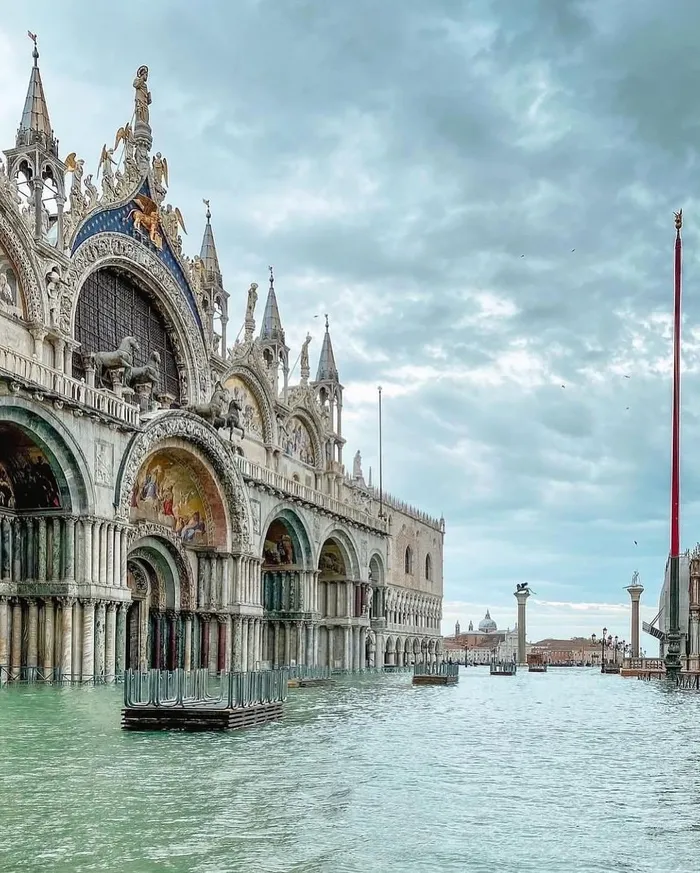
This phenomenon, known as 'Acqua Alta' (high water), typically occurs in Venice during the autumn and winter months.
Image: Instagram
Have you ever found yourself daydreaming about a breathtaking destination that could soon fade from existence?
This is the idea behind "last-chance tourism" - this travel trend that invites adventurous travellers to witness and experience some of the most enchanting, yet fragile, places on Earth before they potentially disappear forever due to climate change.
From melting glaciers in the Arctic to the sinking city of Venice, more and more people are booking trips to see these stunning destinations, motivated by their fascination and urgency.
However, this trend comes with its complexities.
While the intention behind last chance tourism is often noble, the reality is that travelling to these vulnerable destinations can sometimes cause more harm than good.
A case in point: The Great Barrier Reef recently recorded its worst coral bleaching ever, partly due to the rising number of visitors and climate conditions.
Sadly, increased human activity often adds strain to these fragile ecosystems, raising questions about the ethics of the trend.
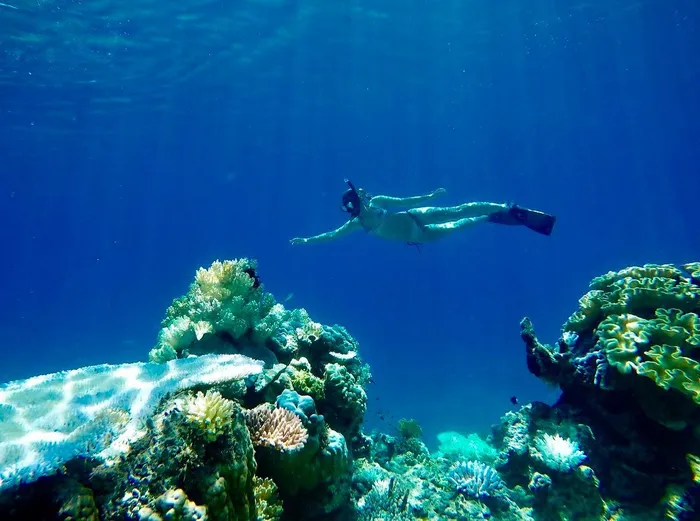
The Great Barrier Reef in Australia is experiencing severe coral bleaching due to rising ocean temperatures, and increased human activity has further strained these delicate ecosystems.
Image: Instagram
The rise of the trend
In recent years, the concept of last-chance tourism has gained momentum.
Tourists now visit remote landscapes or historical sites, aware that they may not always be around in the future. For instance, in Iceland, half a million visitors descend annually on its magnificent glaciers, many motivated by a strong desire to witness them before they melt away.
Research shows that roughly half of these visitors are driven by the concern of seeing such marvels disappear from our planet.
Although this rising interest can create a sense of urgency for conservation, it presents a paradox: travelling to witness these places often accelerates their decline.
In essence, even the most well-meaning travellers can inadvertently contribute to the damage they wish to prevent.
The impacts of mass tourism
While exploring breathtaking destinations can inspire awareness and conservation efforts, the impacts of mass tourism on fragile ecosystems are profound.
The most visible consequences include:
Despite these challenges, it is essential to note that tourism can also play a positive role.
In many cases, the funds generated from tourism can aid conservation initiatives, which are crucial for protecting these endangered sites. Entrance fees and guided tours can provide vital financial support for:
Navigating the ethics of last chance tourism
The main question facing last-chance tourism is whether it is ethical or not.
On one hand, witnessing a melting glacier or a bleached coral reef up close can serve as a wake-up call, making the threat of climate change feel more tangible.
For many travellers, these experiences ignite a desire to take action and protect what remains.
Yet, the very act of travelling to these vulnerable places often puts them under additional stress. Flights, increased footfall, and the development of tourist amenities can exacerbate the issues these destinations face, particularly when profit outweighs protection.
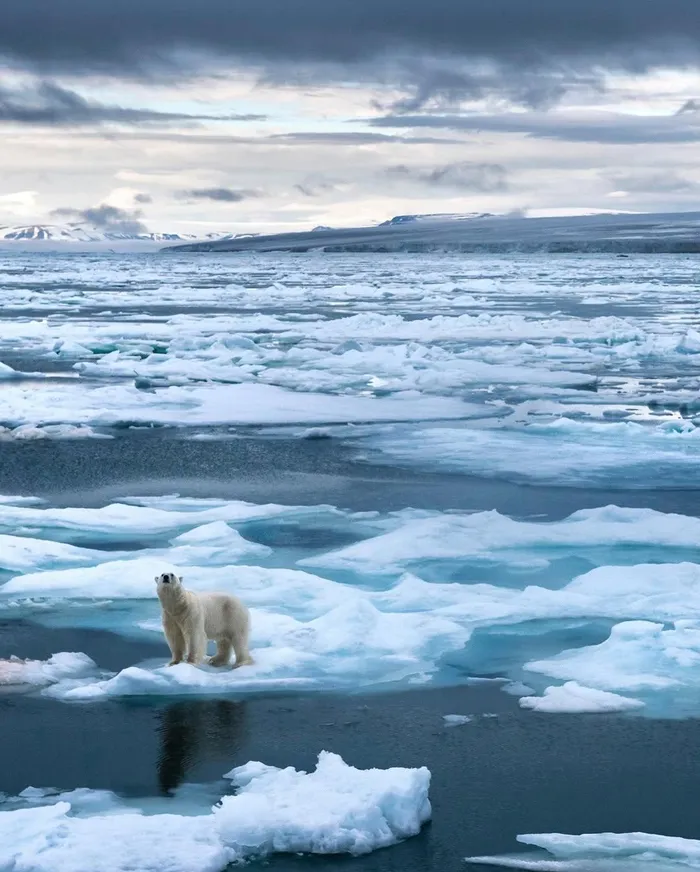
Global warming is dramatically transforming the Arctic landscape.
Image: Instagram.
So, where do we go from here?
If last-chance tourism is to have a positive impact, it must shift its focus and approach.
Addressing the challenges of climate change
The fingerprints of climate change are all over the planet, reshaping iconic destinations and altering the landscapes people travel to see.
Glaciers are retreating, sea levels are rising, and weather patterns are becoming increasingly unpredictable.
These changes not only affect ecosystems but also change the very fabric of our favourite places.
Some of the locations most affected include:
While tourism can foster awareness and funding, it must also be approached with caution.
Striking a balance between exploration and conservation is essential if we hope to preserve these exquisite places for future generations to enjoy.
Is it responsible to visit these delicate ecosystems when it may contribute to their downfall?
Despite the risks, tourism plays a crucial role in protecting vulnerable destinations.
Funds generated from tourism often support conservation efforts. Entrance fees and guided tours can help maintain national parks and marine reserves, supporting local wildlife and research initiatives.
How to travel responsibly
For those who wish to engage in last-chance tourism, it’s essential to consider how their travel choices impact the environment:
Is last-chance tourism the future?
For last-chance tourism to be sustainable, it needs to evolve. It must prioritise local communities, focus on funding conservation efforts and respect the environment's boundaries.
Ultimately, if done responsibly, this form of travel could transform visitors into advocates for the very places they love.