Epilepsy SA invites public to webinar on culture and epilepsy
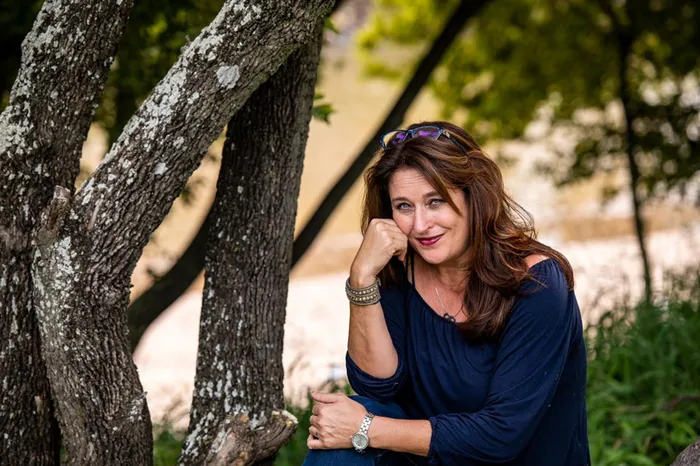
Director of Epilepsy South Africa, Sharlene Cassel opens up about the her personal experience with the condition and encourages the public to join their free webinar sessions. Supplied
Cape Town - Epilepsy South Africa invites the public to join their monthly online workshop aimed addressing various topics around the neurologic disorder.
This month’s webinar on September 27 is titled “Culture and Epilepsy”, with five speakers expected to empower guests through their experiences and professional knowledge.
Director Sharlene Cassel, one the guest speakers, said one in 100 people in South Africa could be epileptic and there are millions globally who are living with epilepsy, hence the need for public education on handling and accommodating affected individuals.
“The number given by the International Epilepsy League is 50 million people globally live with epilepsy, and in South Africa it is estimated at one in a 100,” she said.
Cassel has lived with epilepsy since she was eight.
“Epilepsy is not a disease, it is a condition. Breaking the stigma is what drives me today,” she said, recalling how she almost missed out on mainstream education due to hardships she faced after her first episode.
“The mainstream school wanted to move me to a remedial school, because I went from an A student to an F student, but my parents said no. It did not mean that I could not make it.”
Epilepsy South Africa said there are three types of seizures ignited by different factors for every affected individual.
“Reasonable accommodation for an employee with epilepsy usually involves simple arrangements which help to ensure safety in the workplace and maximise the highest potential of the employee.
“The challenge is that individuals are unique. Therefore, the importance of varying instructional methods to ensure that pupils are engaged is critical. In a large group one must be creative and put effort into providing structured and flexible learning with various means of interaction, such as group discussions, individual activities, lectures and learner presentations in an effort to engage each person,” it said.
Velile Xhokwa, 37, suffered from epilepsy in his early teens, and said the lack of knowledge and a support system forced him to drop out of school, as he would be forgetful soon after each episode and would need to relearn most of the material. He encouraged the public, especially those affected, to “use every little assistance available to help improve and live your life to the fullest. I wish there were such opportunities when I grew up, maybe I would be at a better place in life now.”
His aunt, Nomkhitha Swasube, said the family struggled to understand his condition when he started having frequent episodes and their only hope was the medication he received from the clinic, which seemed to stabilise him.
Cassel said it could take up to three hours for one to regain their memory after an episode, adding that there’s no cure for epilepsy but it can be managed.
For more information about their webinar sessions, visit their Facebook page at Epilepsy South Africa.