

New research shows people are trusting e-hailing service more and more.
Image: KZN Department of Transport / Facebook
As South Africa enters its most travel-intensive and high-risk period of the year, new data reveals a quiet but significant shift in how people are choosing to move—a transformation that could reshape road safety and combat drunk driving nationwide.
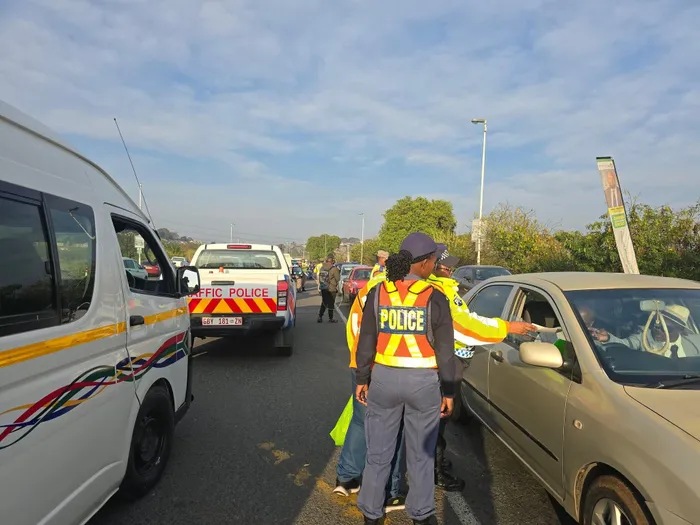
Since the launch of a zero-tolerance festive season campaign on 1 December, traffic authorities have made a notable crackdown on impaired driving, arresting 1,478 motorists during nationwide operations. With an uptick in nightlife, concerts, airport arrivals, and intercity travel, the festive season is notoriously one of the most perilous times on South Africa's roads.
Amid this backdrop, Bolt has commissioned a Safety Index report that indicates a profound change in how South Africans approach night-time travel. The survey conducted reveals that a remarkable 92% of respondents feel safer using ride-hailing apps during late hours—a sentiment echoed strongly among women, young adults, and urban commuters. For many, ride-hailing presents a reliable alternative when public transport falls short or when the risk of driving after drinking becomes daunting.
The data further demonstrates that 36% of South Africans are now opting for ride-hailing options as a definitive safer alternative to driving under the influence. This indicates a significant behavioural shift, showing that digital mobility platforms are effectively influencing safety outcomes during this traditionally hazardous time.
“Festive season travel comes with heightened pressure; longer nights, unfamiliar routes, and more social activity,” says Simo Kalajdzic, Senior Operations Manager at Bolt South Africa. “What we are observing is that more South Africans are making responsible choices by opting for ride-hailing instead of getting behind the wheel after drinking. This shift is critical, not just for individual safety, but for reducing overall road risk during peak travel periods.”
These findings are in line with mobility experts’ expectations—when transportation becomes digitised, safety transforms into something trackable, transparent, and measurable. Ride-hailing platforms offer safeguards that conventional transport options often lack, such as driver verification, real-time GPS tracking, live route visibility, trip-sharing, and unmatched convenience that diminishes exposure to unsafe environments.
Moreover, this transition reflects an infrastructural change. Companies like Bolt have seamlessly embedded safety features within their systems, garnering accountability on both sides of the ride. Their in-app safety tools include emergency assistance, trip monitoring, vetted drivers, in-app reporting, and even a recently introduced dash cam functionality to enhance transparency and protection.
“Safety should never be optional,” adds Kalajdzic. “It must be integrated into the user experience from start to finish, especially during periods when risks are elevated.”
As the festive season is typically synonymous with impaired driving, overcrowded transport hubs, and increased road fatalities, the rising acceptance of ride-hailing as a crucial safety mechanism signals meaningful progress. The landscape of urban mobility is evolving, broadening its focus from mere convenience to prioritising public health, predictability, and protection.
Bolt strongly encourages South Africans to plan ahead by utilising ride-hailing services following social events and actively engaging with in-app safety features throughout the festive period. This December, safer roads begin with smarter travel choices, underscoring the positive role of technology in facilitating those decisions.